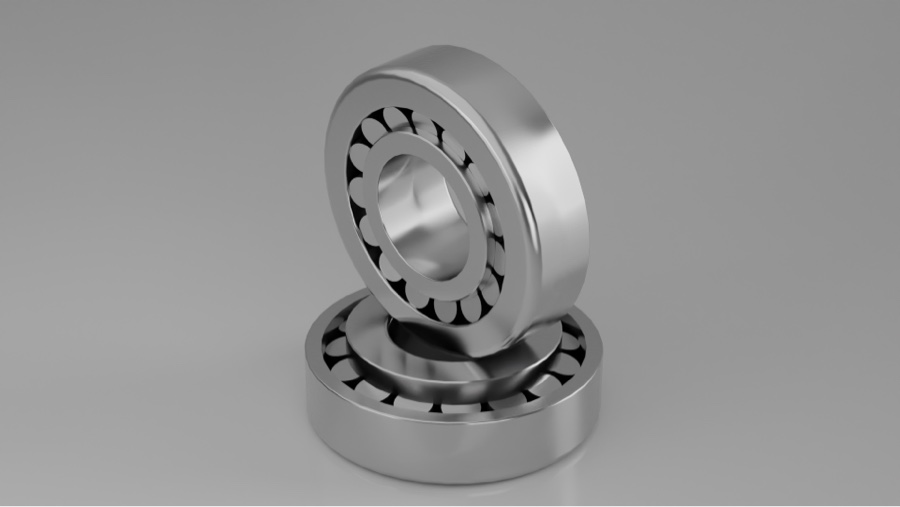
| Ball bearings are an essential component in various mechanical systems, providing the necessary support to reduce friction between moving parts. Understanding how ball bearings are manufactured is crucial for industries that rely on their precision and durability. This article delves into the intricate process of ball bearing production, exploring each stage from raw material selection to final quality assurance. For those interested in exploring the different types of ball bearings available, please visit our Ball Bearings page. Raw Material SelectionThe manufacturing of ball bearings begins with the selection of high-quality raw materials. Typically, bearing steel is used due to its strength, wear resistance, and fatigue life. The choice of material is critical as it directly impacts the bearing's performance and longevity. Steel bars are often the starting point, which are then cut into smaller pieces to form the inner and outer rings of the bearings. Forging and TurningOnce the raw materials are prepared, the next step is forging. This process involves heating the steel to a high temperature and then shaping it into the desired form using a forging press. Forging enhances the strength and durability of the material. After forging, the rings undergo a turning process, where they are machined to achieve precise dimensions and smooth surfaces. This step is crucial for ensuring the bearing's accuracy and efficiency. Heat TreatmentHeat treatment is a vital stage in the manufacturing process, as it enhances the mechanical properties of the bearing components. The rings are subjected to processes such as quenching and tempering, which increase their hardness and wear resistance. This treatment ensures that the bearings can withstand high loads and harsh operating conditions, making them suitable for various industrial applications. Grinding and SuperfinishingAfter heat treatment, the bearing rings undergo grinding to achieve the final dimensions and surface finish. Grinding is a precision process that removes any remaining imperfections and ensures that the rings meet the required tolerances. Superfinishing follows grinding, further enhancing the surface quality to reduce friction and improve the bearing's operational efficiency. This meticulous attention to detail is what sets high-quality bearings apart from their counterparts. AssemblyThe assembly of ball bearings involves fitting the inner and outer rings, balls, and cage together. The balls are typically made from high-grade steel or ceramic, offering excellent wear resistance and low friction. The cage, which holds the balls in place, is usually made from steel or brass. During assembly, precise alignment and spacing of the components are crucial to ensure smooth operation and longevity of the bearing. Quality ControlQuality control is an integral part of the ball bearing manufacturing process. Each bearing undergoes rigorous testing to ensure it meets the required specifications and standards. Tests include checking for dimensional accuracy, surface finish, and load capacity. Advanced technologies such as laser measurement and ultrasonic testing are often employed to detect any defects or inconsistencies. This thorough quality assurance process guarantees that only the highest quality bearings reach the market. ConclusionThe manufacturing of ball bearings is a complex and precise process that requires meticulous attention to detail at every stage. From raw material selection to final quality control, each step is crucial in ensuring the production of high-performance bearings. Understanding this process not only highlights the importance of quality in bearing production but also underscores the expertise required in this field. FAQsQ1: What materials are commonly used in ball bearing manufacturing? Q2: Why is heat treatment important in the manufacturing process? Q3: How is quality control maintained in ball bearing production? Q4: What role does the cage play in a ball bearing? Q5: Can ball bearings be customized for specific applications? Q6: What are the benefits of using ceramic balls in bearings? Q7: How does superfinishing improve bearing performance? |