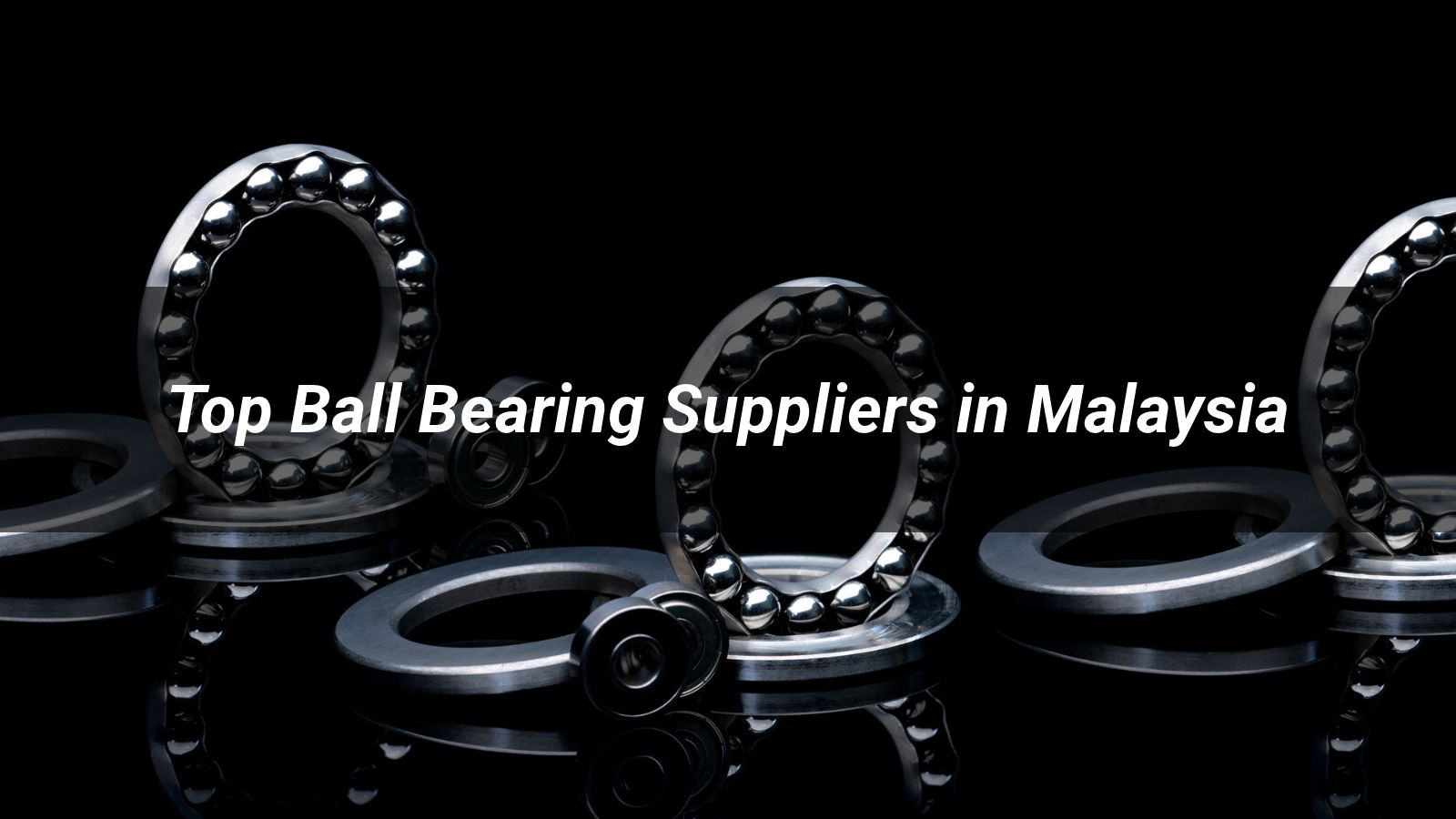
Top 5 Ball Bearing Suppliers in Malaysia 2026
Discover the top 5 ball bearing suppliers in Malaysia for 2026. Compare leading brands, product ranges, local contacts, and sourcing options for industrial and OEM applications.
Read More


Over 20 Years of Expertise in Non-Standard Bearing Solutions.
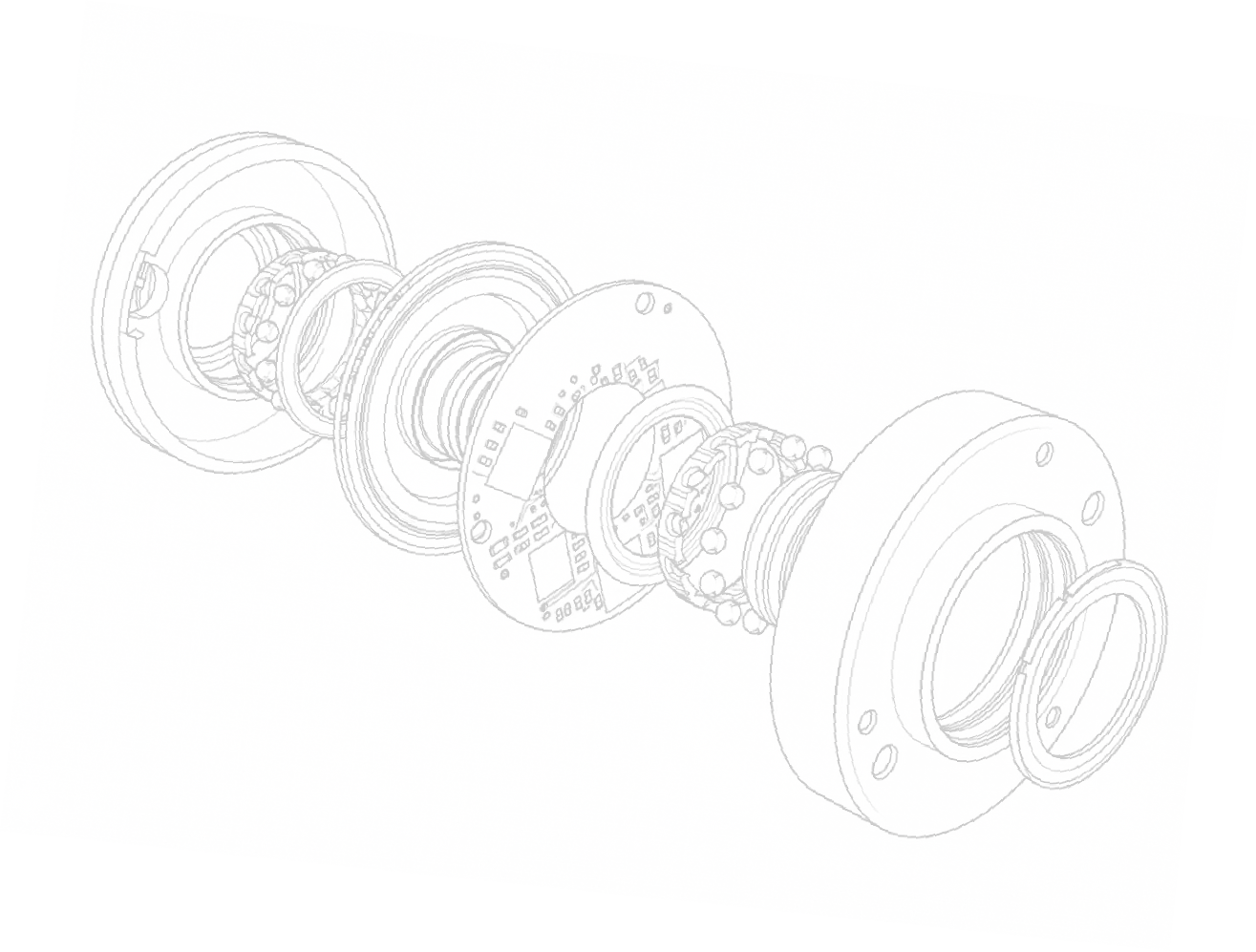
Founded in 2005, BOM is an engineering-driven bearing manufacturer specializing in non-standard and integrated bearing solutions.
Serving industries such as automation, robotics, and machinery, BOM partners with customers to deliver reliable, high-performance bearings that simplify design and enhance system efficiency.

Years of Experience
Total Investment
Number of employees
Facility Size

























Share needs, expert contact <24h.

Analyze: load, env, lifespan → peak performance.

Tailored solutions: peak performance, fair cost.

Witness Quality Control firsthand.

Process & inspection: consistent quality.

Beyond delivery: lifetime tech support.
By combining the previously separate bearing outer ring and flange into a single component, a more compact structure, more stable precision performance, and more consistent assembly results can be achieved without increasing system complexity.

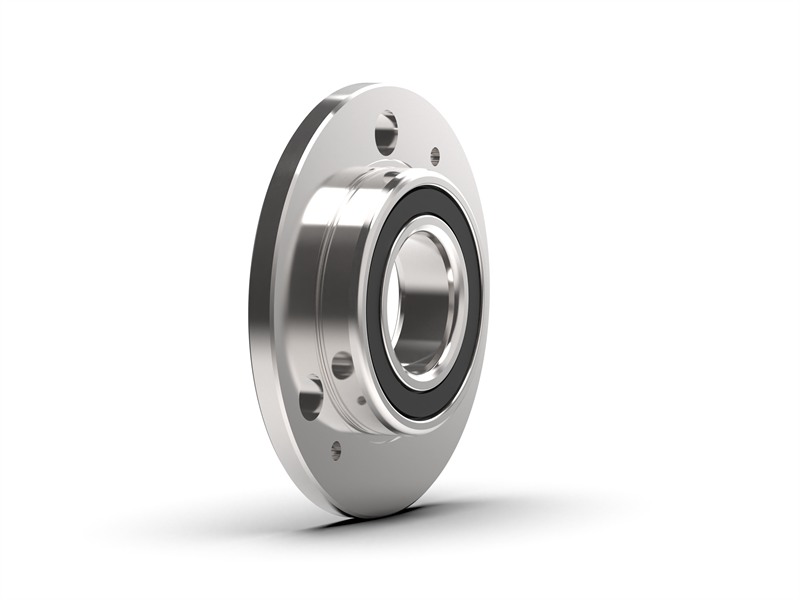
Flange Integrated Bearing
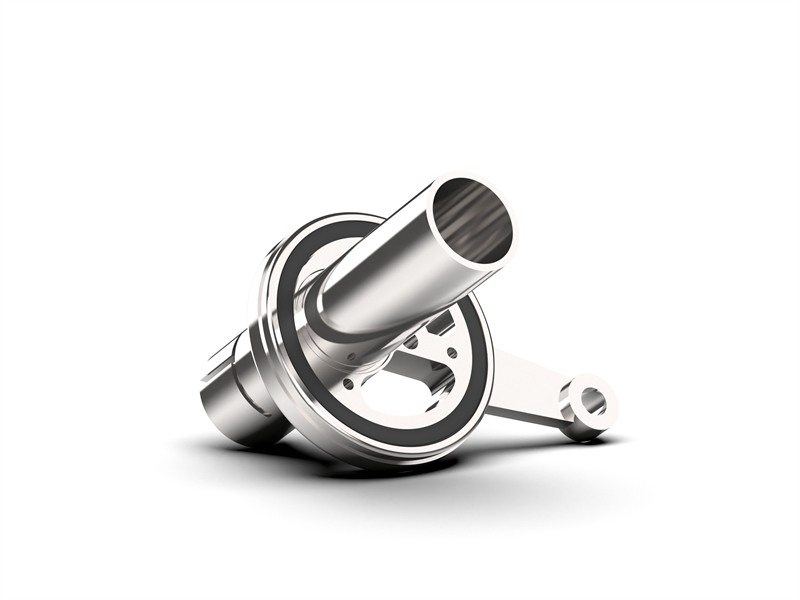
Cam-Slider Combination Bearing
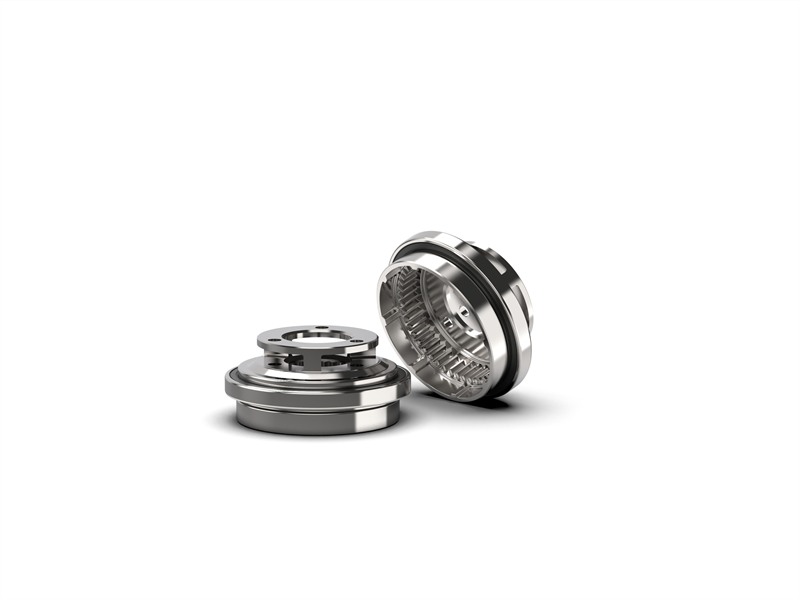
Gear Integrated Bearing
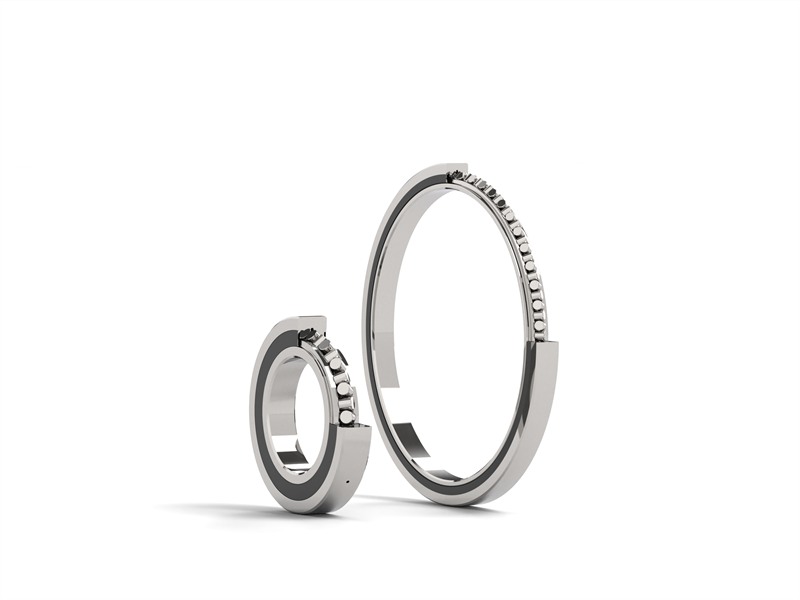
Slim Cross Roller Bearings
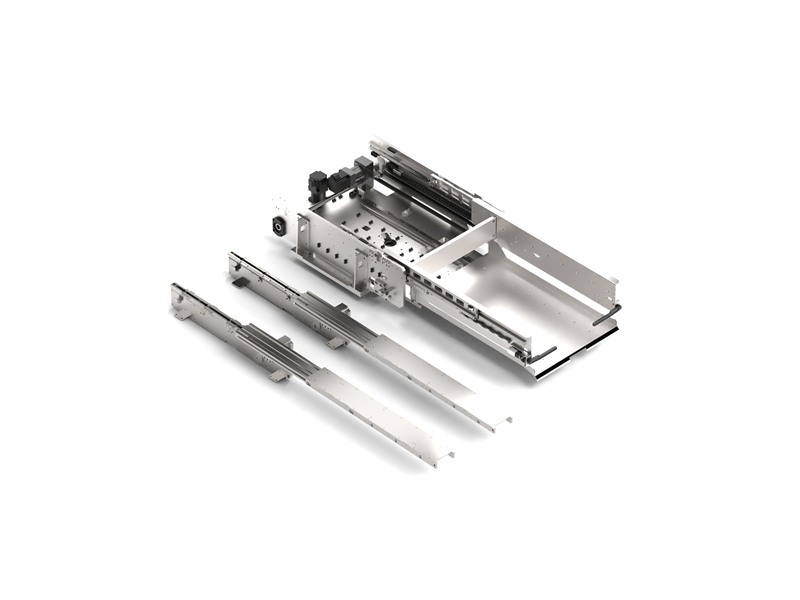
Telescopic Forks
Discover the top 5 ball bearing suppliers in Malaysia for 2026. Compare leading brands, product ranges, local contacts, and sourcing options for industrial and OEM applications.
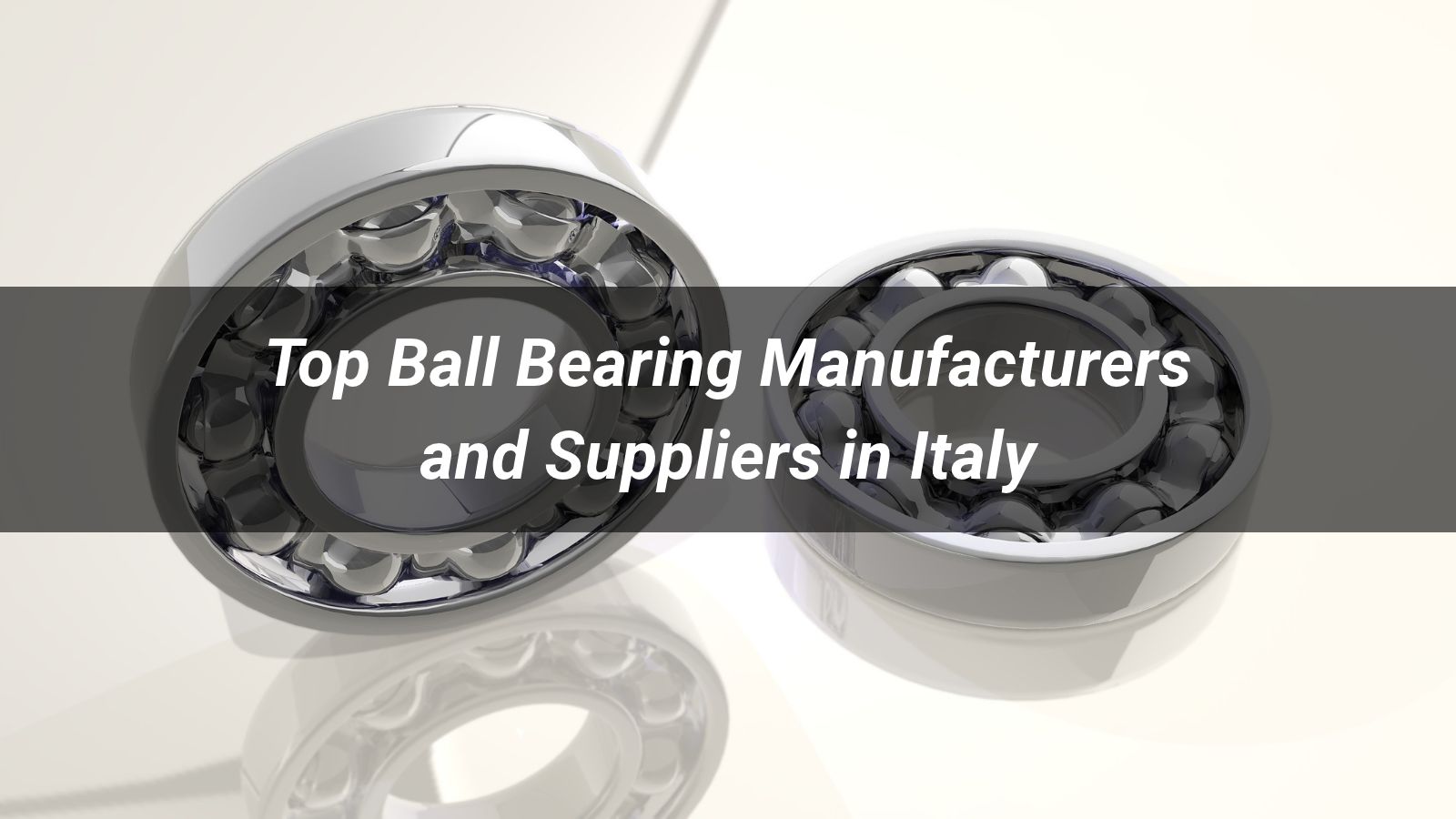
Explore leading Italian bearing companies, their product capabilities, customization services, and how to choose the right ball bearing supplier for industrial and OEM applications.

Top 10 cylindrical roller bearing manufacturers & suppliers in 2026 — ranked by application, with specs, certifications, and pricing to help engineers and procurement teams choose the right supplier.