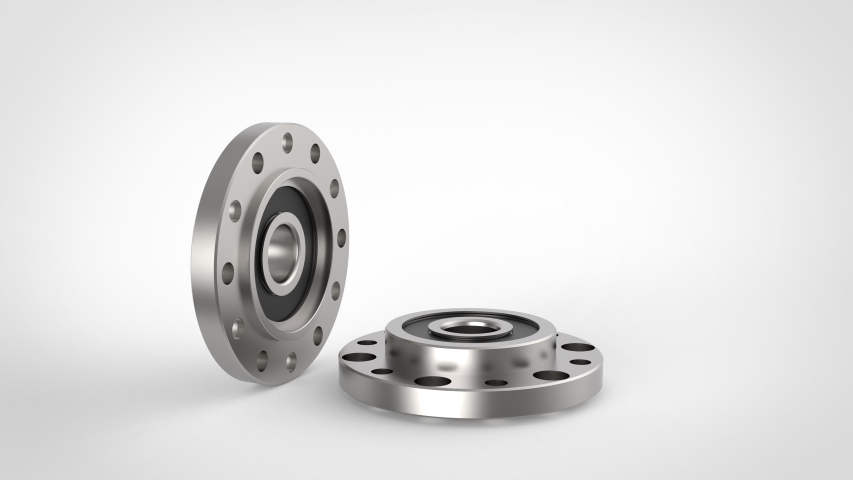
| Integrated bearings have revolutionized the way machinery operates, significantly reducing machine downtime and enhancing operational efficiency. These bearings, by combining multiple functions into a single unit, offer unparalleled advantages in various industrial applications. In this article, we will delve into the intricacies of integrated bearings, examining their impact on machine downtime, and exploring their applications in sectors such as robotics, sewing machines, and more. For a comprehensive understanding of integrated bearings, you can visit our detailed Integrated Bearings page. Understanding Integrated BearingsIntegrated bearings are a type of bearing that combines multiple mechanical functions into a single unit. This integration typically includes the bearing itself, along with gears, sensors, and linear motion components. By merging these elements, integrated bearings simplify machine design, reduce assembly time, and enhance performance. The result is a more compact, efficient, and reliable system that can handle higher loads and operate at higher speeds than traditional bearing systems. The development of integrated bearings is driven by the need for more efficient and reliable machinery in industries such as robotics, automation, and textile manufacturing. These bearings are engineered to meet the specific demands of each application, offering customized solutions that improve load capacity, reduce system costs, and simplify assembly processes. Key Features of Integrated BearingsIntegrated bearings offer several key features that make them an attractive choice for modern machinery. These include:
Impact on Machine DowntimeMachine downtime is a critical concern for manufacturers, as it directly impacts productivity and profitability. Integrated bearings play a significant role in reducing machine downtime through their robust design and enhanced performance capabilities. By minimizing the need for frequent maintenance and repairs, these bearings ensure that machinery operates smoothly and efficiently for extended periods. In addition, the high precision and reliability of integrated bearings contribute to reduced wear and tear on machinery components. This leads to longer service life and fewer unexpected breakdowns, further decreasing downtime and maintenance costs. The ability to handle higher loads and operate at higher speeds also means that machinery can perform more demanding tasks without the risk of failure. Case Study: Robotics BearingsIn the field of robotics, precision and reliability are paramount. Integrated bearings have become a crucial component in robotic systems, providing the necessary support for complex movements and operations. By offering high load capacity and exceptional precision, these bearings enable robots to perform tasks with greater accuracy and efficiency. A leading robotics manufacturer reported a significant reduction in machine downtime after switching to integrated bearings. The company experienced a 30% increase in operational efficiency, allowing them to meet production targets more consistently. The enhanced durability and reduced maintenance requirements of integrated bearings also contributed to a decrease in overall operational costs. Applications in Sewing MachinesThe textile industry relies heavily on sewing machines for mass production. Traditional bearings often limit the speed and efficiency of these machines, leading to increased downtime and maintenance costs. Integrated bearings offer a solution by enhancing the performance and reliability of sewing machines. By incorporating integrated bearings into their sewing machines, manufacturers have reported a 70% increase in production efficiency. The reduced energy consumption and enhanced precision of these bearings have also contributed to lower operational costs and improved product quality. As a result, sewing machine manufacturers can remain competitive in a rapidly evolving market. Flanged Bearings in Textile MachineryFlanged bearings are a specific type of integrated bearing commonly used in textile machinery. These bearings feature a flange on the outer ring, allowing for easy mounting and alignment. This design simplifies the assembly process and ensures precise operation, reducing the risk of misalignment and associated downtime. The use of flanged bearings in textile machinery has led to significant improvements in operational efficiency and reliability. By providing stable and consistent performance, these bearings help manufacturers achieve higher production speeds and reduce maintenance requirements. The result is a more efficient and cost-effective production process that meets the demands of the modern textile industry. ConclusionIntegrated bearings are transforming the landscape of industrial machinery by reducing machine downtime and enhancing operational efficiency. Their compact design, enhanced load capacity, and reduced maintenance requirements make them an ideal choice for a wide range of applications, from robotics to textile manufacturing. By investing in integrated bearings, manufacturers can achieve significant improvements in productivity and profitability, ensuring their continued success in a competitive market. For more information on how integrated bearings can benefit your operations, explore our Integrated Bearings solutions. FAQsQ1: What are integrated bearings? Integrated bearings combine multiple mechanical functions into a single unit, including the bearing itself, gears, sensors, and linear motion components. This integration simplifies machine design and enhances performance. Q2: How do integrated bearings reduce machine downtime? Integrated bearings reduce machine downtime by minimizing the need for frequent maintenance and repairs. Their robust design and enhanced performance capabilities ensure smooth and efficient operation for extended periods. Q3: What industries benefit from integrated bearings? Industries such as robotics, automation, and textile manufacturing benefit from integrated bearings. These bearings offer customized solutions that improve load capacity, reduce system costs, and simplify assembly processes. Q4: How do integrated bearings enhance operational efficiency? Integrated bearings enhance operational efficiency by reducing friction and energy loss, leading to lower operational costs. Their compact design and high load capacity also contribute to improved machinery performance. Q5: What are flanged bearings, and where are they used? Flanged bearings are a type of integrated bearing with a flange on the outer ring for easy mounting and alignment. They are commonly used in textile machinery to improve operational efficiency and reliability. Q6: Can integrated bearings be customized for specific applications? Yes, integrated bearings can be customized to meet the specific demands of each application, offering solutions that improve load capacity, reduce system costs, and simplify assembly processes. Q7: How do integrated bearings impact the textile industry? In the textile industry, integrated bearings enhance the performance and reliability of sewing machines, leading to increased production efficiency, reduced energy consumption, and improved product quality. |