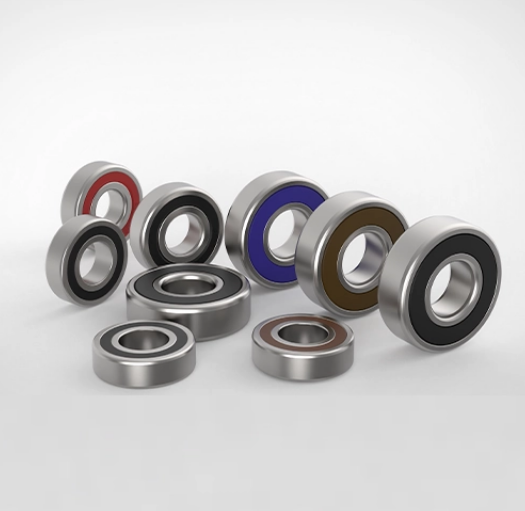
| Ball bearings are integral components in various machinery, providing essential support for rotational or linear movement while minimizing friction. Their cost can vary significantly based on several factors, including type, size, material, and supplier. Understanding these variables is crucial for manufacturers and engineers aiming to optimize their machinery's performance and cost-effectiveness. For more insights into the different types of ball bearings, you can explore the Ball Bearings page. Types of Ball BearingsBall bearings come in various types, each designed to handle specific loads and conditions. The most common types include Deep Groove Ball Bearings, Thrust Ball Bearings, and Angular Contact Ball Bearings. Each type has unique characteristics that affect its cost and application suitability. Deep Groove Ball BearingsDeep Groove Ball Bearings are the most widely used type due to their versatility and ability to handle both radial and axial loads. They are typically used in electric motors, pumps, and household appliances. The cost of these bearings is generally lower compared to other types, making them a cost-effective choice for many applications. Thrust Ball BearingsThrust Ball Bearings are designed to handle axial loads in one direction. They are commonly used in automotive transmissions and machine tool spindles. The cost of Thrust Ball Bearings can be higher due to their specialized design and the materials used to withstand high axial forces. Angular Contact Ball BearingsAngular Contact Ball Bearings are engineered to support both radial and axial loads simultaneously. They are ideal for high-speed applications such as machine tool spindles and advanced gearboxes. The complexity of their design and the precision required in their manufacturing process often result in a higher cost compared to other bearing types. Factors Influencing Ball Bearing CostsSeveral factors influence the cost of ball bearings, including material, size, precision grade, and supplier. Understanding these factors can help in making informed purchasing decisions. MaterialThe material used in ball bearings significantly affects their cost. Common materials include stainless steel, ceramic, and plastic. Stainless steel bearings are durable and resistant to corrosion, making them suitable for various applications. Ceramic bearings, while more expensive, offer superior performance in high-speed and high-temperature environments. Size and PrecisionThe size and precision grade of a bearing also impact its cost. Larger bearings require more material and are generally more expensive. Precision grades, which determine the bearing's tolerance and performance, can also increase costs. Higher precision bearings are essential for applications requiring high accuracy and efficiency. SupplierChoosing the right supplier can influence the cost and quality of ball bearings. Suppliers like BOM Bearing offer a range of high-quality bearings with competitive pricing. They provide customized solutions that can help reduce overall system costs while ensuring optimal performance. Partnering with a reputable Ball Bearings Supplier can lead to long-term cost savings and reliability. Cost Analysis and Market TrendsThe ball bearing market is influenced by various economic factors, including raw material prices, technological advancements, and demand from key industries such as automotive and aerospace. Understanding these trends can provide insights into future cost fluctuations and help in strategic planning. Raw Material PricesFluctuations in raw material prices, such as steel and ceramics, directly impact the cost of ball bearings. Economic conditions, trade policies, and supply chain disruptions can cause price volatility. Monitoring these factors is crucial for anticipating cost changes and managing budgets effectively. Technological AdvancementsAdvancements in manufacturing technology and materials science have led to the development of more efficient and durable ball bearings. These innovations can reduce production costs and improve performance, offering potential cost savings for end-users. Staying informed about technological trends can help businesses leverage new opportunities. Industry DemandDemand from industries such as automotive, aerospace, and industrial machinery drives the ball bearing market. Economic growth, technological advancements, and shifts in consumer preferences can influence demand patterns. Understanding these dynamics is essential for predicting market trends and making informed purchasing decisions. ConclusionThe cost of ball bearings is influenced by various factors, including type, material, size, and supplier. Understanding these elements can help businesses make informed decisions and optimize their machinery's performance and cost-effectiveness. By partnering with a reliable supplier like BOM Bearing, companies can access high-quality, customized solutions that meet their specific needs. For those looking to delve deeper into the world of ball bearings, exploring the offerings of a reputable Ball Bearings Supplier can provide valuable insights and opportunities. FAQsQ: What factors influence the cost of ball bearings? Q: How do material choices affect ball bearing costs? Q: Why are Angular Contact Ball Bearings more expensive? Q: How can partnering with a reliable supplier reduce costs? Q: What role do technological advancements play in ball bearing costs? Q: How do industry demands affect the ball bearing market? Q: What are the benefits of using Deep Groove Ball Bearings? |