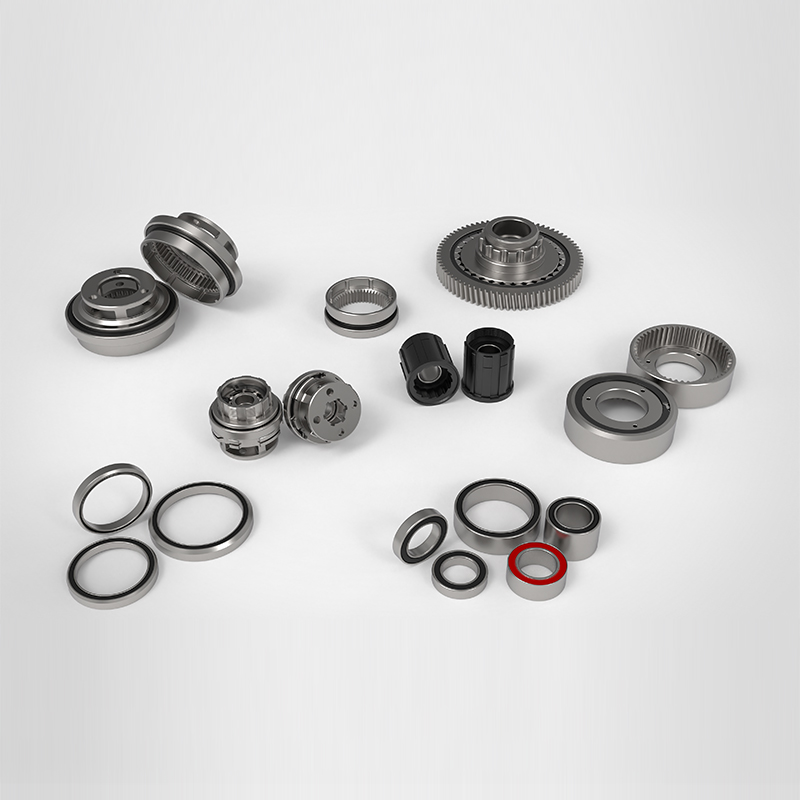
| Ball bearings are essential components in various mechanical systems, providing support and reducing friction between moving parts. When a ball bearing fails, it can lead to significant operational disruptions and costly repairs. This article delves into the implications of ball bearing failure, examining different types of ball bearings, their applications, and the potential consequences of their malfunction. For those interested in exploring the range of ball bearings available, consider visiting a Ball Bearings Supplier for more information. Types of Ball BearingsBall bearings come in various types, each designed to handle specific loads and applications. The most common types include Deep Groove Ball Bearings, Thrust Ball Bearings, and Angular Contact Ball Bearings. Deep Groove Ball Bearings are versatile and can handle both radial and axial loads, making them suitable for a wide range of applications. Thrust Ball Bearings, on the other hand, are specifically designed to handle axial loads in one direction, often used in automotive transmissions and machine tool spindles. Angular Contact Ball Bearings are engineered to accommodate both radial and axial loads, providing high precision and rigidity for high-speed machinery. Causes of Ball Bearing FailureBall bearing failure can occur due to several factors, including improper installation, inadequate lubrication, and contamination. Improper installation can lead to misalignment, causing uneven load distribution and premature wear. Inadequate lubrication results in increased friction and heat generation, leading to material degradation. Contamination from dust, dirt, or moisture can also compromise the integrity of the bearing, accelerating wear and tear. Improper InstallationThe installation process is crucial for the longevity of ball bearings. Misalignment during installation can cause uneven stress distribution across the bearing, leading to early failure. It is essential to follow manufacturer guidelines and use appropriate tools to ensure correct installation. Regular maintenance checks can help identify misalignment issues before they lead to significant damage. Inadequate LubricationLubrication plays a vital role in reducing friction and heat in ball bearings. Without adequate lubrication, the metal surfaces within the bearing can come into direct contact, causing increased friction and wear. Selecting the right lubricant and maintaining proper lubrication levels are critical for the efficient operation of ball bearings. Regular inspection and maintenance can prevent lubrication-related failures. ContaminationContaminants such as dust, dirt, and moisture can infiltrate ball bearings, leading to corrosion and increased wear. Seals and shields are often used to protect bearings from contamination, but they must be inspected regularly to ensure their effectiveness. Implementing a clean working environment and proper sealing techniques can significantly reduce the risk of contamination. Consequences of Ball Bearing FailureThe failure of a ball bearing can have severe consequences for machinery and operations. It can lead to increased vibration and noise, reduced efficiency, and ultimately, complete machinery breakdown. In critical applications, such as in aerospace or medical equipment, bearing failure can pose significant safety risks. Regular monitoring and maintenance are essential to prevent unexpected failures and ensure the reliability of machinery. Increased Vibration and NoiseOne of the first signs of ball bearing failure is increased vibration and noise. As the bearing wears, it can cause imbalance and misalignment, leading to excessive vibration. This not only affects the performance of the machinery but can also lead to further damage to other components. Monitoring vibration levels can help detect early signs of bearing failure. Reduced EfficiencyA failing ball bearing can significantly reduce the efficiency of machinery. Increased friction and heat generation can lead to energy losses and reduced operational performance. In industries where efficiency is critical, such as manufacturing and transportation, bearing failure can result in increased operational costs and downtime. Complete Machinery BreakdownIn severe cases, ball bearing failure can lead to complete machinery breakdown. This can result in costly repairs and extended downtime, impacting productivity and profitability. In critical applications, such as in aerospace or medical equipment, the consequences of bearing failure can be catastrophic. Implementing regular maintenance and monitoring can help prevent such outcomes. Preventive Measures and MaintenancePreventive maintenance is crucial in extending the lifespan of ball bearings and ensuring the smooth operation of machinery. Regular inspections, proper lubrication, and contamination control are key components of an effective maintenance strategy. By addressing potential issues early, it is possible to prevent costly repairs and downtime. Regular InspectionsConducting regular inspections of ball bearings can help identify early signs of wear and potential failure. Visual inspections, vibration analysis, and temperature monitoring are effective methods for assessing the condition of bearings. By detecting issues early, it is possible to implement corrective measures before significant damage occurs. Proper LubricationEnsuring proper lubrication is essential for the efficient operation of ball bearings. Selecting the right lubricant and maintaining appropriate lubrication levels can reduce friction and wear, extending the lifespan of the bearing. Regularly checking and replenishing lubrication can prevent lubrication-related failures. Contamination ControlImplementing effective contamination control measures can protect ball bearings from dust, dirt, and moisture. Using seals and shields, maintaining a clean working environment, and conducting regular inspections can reduce the risk of contamination-related failures. By keeping contaminants at bay, the longevity and performance of ball bearings can be enhanced. ConclusionBall bearing failure can have significant implications for machinery and operations, leading to increased vibration, reduced efficiency, and potential breakdowns. Understanding the causes of failure and implementing preventive maintenance measures can help mitigate these risks. Regular inspections, proper lubrication, and contamination control are essential components of an effective maintenance strategy. For those looking to explore a wide range of ball bearings, consider visiting a Ball Bearings Supplier to find the right solution for your needs. FAQsQ: What are the common signs of ball bearing failure? Q: How can I prevent ball bearing failure? Q: What types of ball bearings are available? Q: Why is lubrication important for ball bearings? Q: How does contamination affect ball bearings? Q: What are the consequences of ball bearing failure? Q: Where can I find a reliable ball bearings supplier? |