
Ball Bearings Price & Cost Guide: How Much Should You Pay?
May 29, 2026
BOM
_1780025144_WNo_1600d900.webp)
The price of ball bearings ranges from under $1 to over $5,000 — and the cost difference isn't always easy to justify without context. As demand rises across EV manufacturing, industrial automation, and renewable energy, getting ball bearings cost right has become a real procurement challenge for buyers at every level.
Whether you're replacing a noisy ceiling fan or sourcing bearings for a production line, here's a quick snapshot of what to expect in today's market:
- Homeowners & DIY repair users — Standard 6201/6202 bearings cost $1–$5 each. A full ceiling fan bearing replacement runs $3–$6 in parts, or up to $175 with a technician.
- Maintenance & MRO buyers — Volume ordering cuts unit cost by 40–60%. Knowing when to choose branded over generic — and which spec actually matters — is where the real savings happen.
- Engineers & equipment specifiers — Angular contact, ceramic, and slew bearings each serve different load conditions and carry very different price points, from $5 to $30,000+.
This guide breaks down every major bearing type, from everyday deep groove models to heavy-duty slew rings — because choosing the right bearing at the right price is as important as the bearing itself. Read on to make a more informed decision.
Table of Contents
- What Affects Ball Bearings Price?
- Ball Bearing Price by Type — Quick Reference
- How Much Does a Deep Groove Ball Bearing Cost?
- Ceiling Fan Ball Bearing Price — What You Actually Need
- Is Ceramic Ball Bearing Price Worth It?
- Ball Bearing Replacement Price: Parts, Labor & Total Cost
- Slew Bearing Price — A Category of Its Own
- How to Use a Ball Bearing Price List Without Overpaying
- Frequently Asked Questions
- Conclusion
What Affects Ball Bearings Price?
Two bearings can look identical on the outside — same size, same shape. But one costs $0.80, the other $18. Here's what's actually happening inside the price tag.
1. Material: Steel, Stainless, or Ceramic?
Most standard ball bearings use chrome steel (GCr15). It's tough, affordable, and works well in most conditions.
Switch to stainless steel and the price climbs 30–80%. Go full ceramic — silicon nitride or zirconia — and you're looking at 5–20× the cost of a steel equivalent.
2. Precision Grade: Does Tolerance Really Matter?
Bearings are graded by how tightly they're machined — P0 (standard), P6, P5, P4, P2 (ultra-precise).
P0 is fine for most industrial and consumer uses. P5 and above are for CNC spindles, medical equipment, and aerospace.
Each step up in precision adds roughly 20–50% to the price. A P5 bearing sounds only slightly different from P0 — until you see the invoice.
3. Seal Type: Open, ZZ, or 2RS?
The suffix on a bearing model number tells you how it's sealed — and that directly affects both price and lifespan.
Here's a quick breakdown of the three most common options:
| Seal Type | Description | Price Impact | Best For |
|---|---|---|---|
| Open | No seal, no shield | Lowest | Clean, dry environments |
| ZZ | Metal shield on both sides | +10–20% | Dusty conditions, moderate speed |
| 2RS | Rubber seal on both sides | +15–30% | Wet or contaminated environments |
For most fan motors and household appliances, 2RS is the go-to — sealed for life, pre-lubricated, no maintenance needed.
4. Brand: Name vs. Generic
SKF, NSK, FAG, and Timken sit at the top of the market. Their bearings are tightly toleranced, well-documented, and come with full warranties.
Generic Chinese-made bearings can cost 5–10× less for the same nominal size. Many perform well in light-duty applications. Some don't.
5. Order Quantity: Single vs. Bulk
Ball bearing pricing scales quickly with volume. A single 6201-ZZ might cost $2.50 at retail. Order 1,000 units from a manufacturer and the unit price can drop below $0.30.
For maintenance buyers, even ordering a pack of 10 instead of 1 can cut the per-unit cost by 40–60%.
Ball Bearing Price by Type — Quick Reference
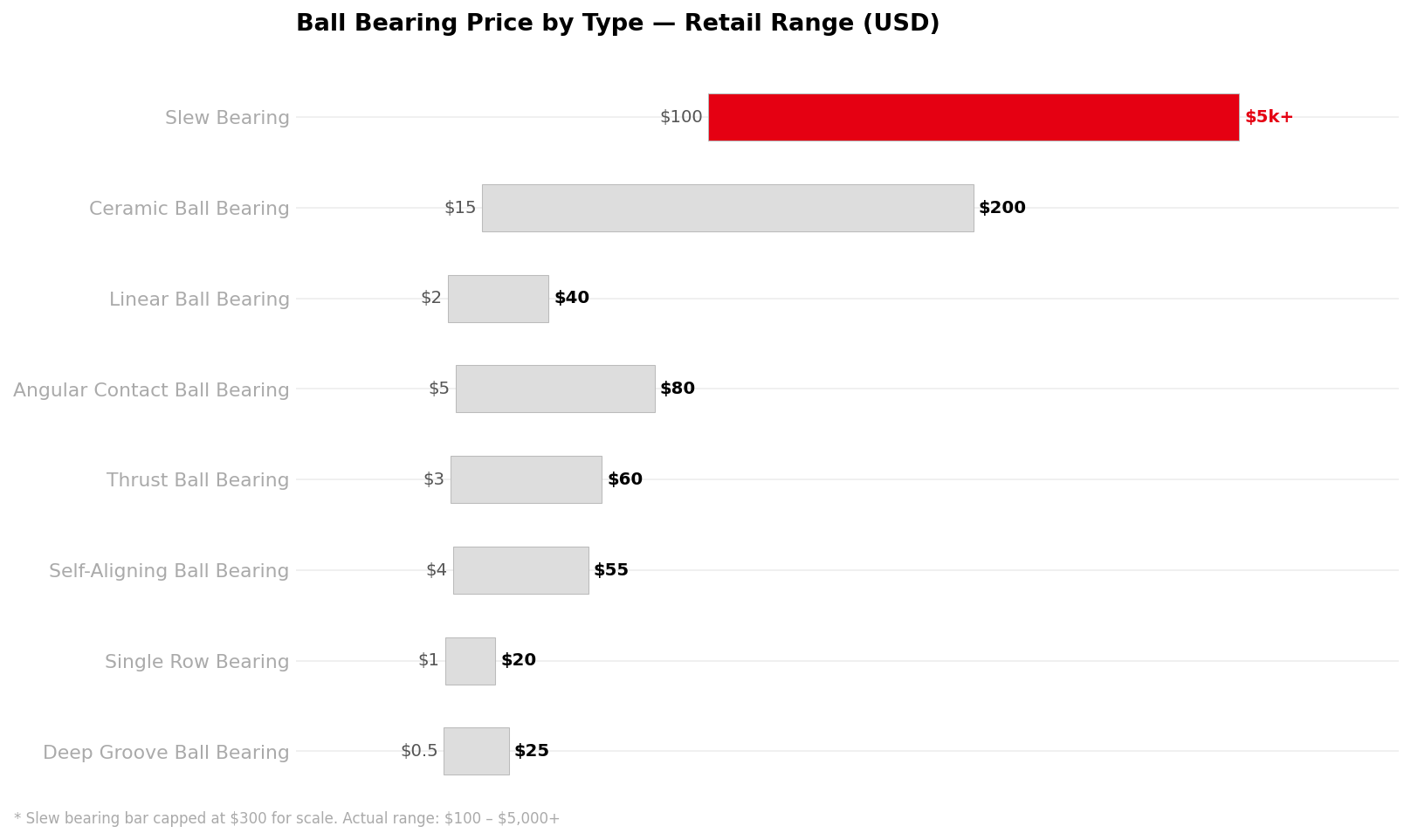
Not all bearings are priced the same. Type, size, and application push costs in very different directions. Here's a realistic snapshot of what to expect at retail, based on standard chrome steel, mid-size units.
| Bearing Type | Typical Price Range (per unit) | Common Use |
|---|---|---|
| Deep groove ball bearing | $0.50 – $25 | Motors, fans, appliances |
| Single row bearing | $1 – $20 | General industrial machinery |
| Angular contact ball bearing | $5 – $80 | CNC spindles, pumps, gearboxes |
| Self-aligning ball bearing | $4 – $55 | Conveyors, agricultural equipment |
| Thrust ball bearing | $3 – $60 | Vertical shafts, turntables |
| Linear ball bearing | $2 – $40 | 3D printers, CNC guides, automation |
| Ceramic ball bearing | $15 – $200+ | High-speed, high-temp, corrosive environments |
| Slew bearing | $100 – $5,000+ | Excavators, cranes, wind turbines |
These ranges reflect generic and mid-tier brands. Name brands like SKF, NSK, or FAG typically run 2–4× higher for the same size and type.
How Much Does a Deep Groove Ball Bearing Cost?
Deep groove ball bearings are the most widely used bearing type in the world — from ceiling fans to electric motors to skateboard wheels. They're also the most price-competitive.
Standard Retail Price Range
A typical chrome steel deep groove bearing in common sizes costs between $0.50 and $8 per unit at retail. Branded options (SKF, NSK, Timken) sit higher — usually $8–$25 for the same size.
Buy in packs of 10 and the per-unit cost often drops 30–50%.
6201 and 6202 Ball Bearing Price
The 6201 and 6202 are two of the most common deep groove bearing models — found in ceiling fans, small motors, power tools, and bikes.
| Model | Size | Generic (per unit) | Branded (per unit) | Pack of 10 |
|---|---|---|---|---|
| 6201-ZZ | 12×32×10mm | $0.80 – $1.50 | $4 – $10 | $8 – $15 |
| 6201-2RS | 12×32×10mm | $1 – $2 | $5 – $12 | $9 – $17 |
| 6202-ZZ | 15×35×11mm | $0.90 – $1.80 | $5 – $11 | $9 – $17 |
| 6202-2RS | 15×35×11mm | $1.20 – $2.50 | $6 – $13 | $11 – $20 |
The 2RS version (rubber sealed) costs slightly more than ZZ (metal shielded), but offers better protection against moisture and dust — worth the extra $0.50 in most applications.
Small Ball Bearing Price
Miniature bearings — like the popular 608 (used in fidget spinners, inline skates, and small motors) — are often even cheaper due to high production volume.
The smaller the bearing, the bigger the gap between generic and branded pricing tends to be — in percentage terms, not dollar terms.
Does ZZ vs 2RS Change the Price Much?
In absolute terms — not dramatically. For a 6202, the difference is usually $0.30–$0.80 per unit. But across a bulk order of 500 units, that adds up to $150–$400.
For most buyers: go with 2RS unless the application runs at very high speed, where rubber seals generate more friction than metal shields.
Ceiling Fan Ball Bearing Price — What You Actually Need
Your ceiling fan starts making a low hum. It wobbles slightly. The blades still turn — but something's clearly off. Nine times out of ten, it's the bearings.
The good news: ceiling fan ball bearing price is one of the most affordable repairs in the home. The parts themselves cost almost nothing. Here's what you're actually dealing with.
What Bearings Does a Ceiling Fan Use?
Most standard ceiling fans use a combination of two deep groove ball bearings — a 6201-2RS and a 6202-2RS. These sit inside the motor housing, supporting the rotor shaft on both ends.
Both are small, sealed, and pre-lubricated. No grease gun needed. No maintenance required — until they wear out.
6201-2RS — 12 × 32 × 10mm
6202-2RS — 15 × 35 × 11mm
Together, these two bearings cost less than a cup of coffee to replace.
Fan Ball Bearing Price Breakdown
Ceiling fan bearing price varies mostly by where you buy and how many you need. Here's a realistic picture:
| Purchase Option | What You Get | Typical Price (USD) |
|---|---|---|
| Single 6201-2RS (generic) | 1 bearing | $0.80 – $2 |
| Single 6202-2RS (generic) | 1 bearing | $1 – $2.50 |
| 6201 + 6202 combo pack | 2 bearings (1 set) | $3 – $6 |
| Pack of 10 (mixed 6201/6202) | 10 bearings | $8 – $17 |
| Branded (SKF / NSK single) | 1 bearing | $5 – $13 |
For a home ceiling fan, a generic chrome steel 2RS bearing works perfectly well. Branded bearings are quieter and longer-lasting — but given the price of the fan itself, they're rarely necessary.
DIY vs. Professional Replacement — What's the Real Cost?
This is where the price gap becomes dramatic.
The bearings cost $3–$6. But if you call a technician, the total bill looks very different.
| Approach | Parts Cost | Labor Cost | Total |
|---|---|---|---|
| DIY replacement | $3 – $6 | $0 | $3 – $6 |
| Local handyman | $5 – $15 | $50 – $100 | $55 – $115 |
| Licensed electrician | $10 – $25 | $80 – $150 | $80 – $175 |
Professional bearing replacement for a ceiling fan typically runs $80–$175 total, including parts and labor. The job itself takes 30–60 minutes — you're paying mostly for the trip and the hands.
What About Industrial or HVAC Fan Bearings?
Larger motors — HVAC blowers, exhaust fans, industrial ventilation units — use bigger, heavier-duty bearings. The 6204, 6205, or 6206 series are common, running $3–$15 per unit at retail.
Labor costs for these jobs climb quickly. A commercial unit with a large blower and difficult access can run $300–$1,000+ for a full bearing service, once disassembly and reassembly time is factored in.
Is Ceramic Ball Bearing Price Worth It?
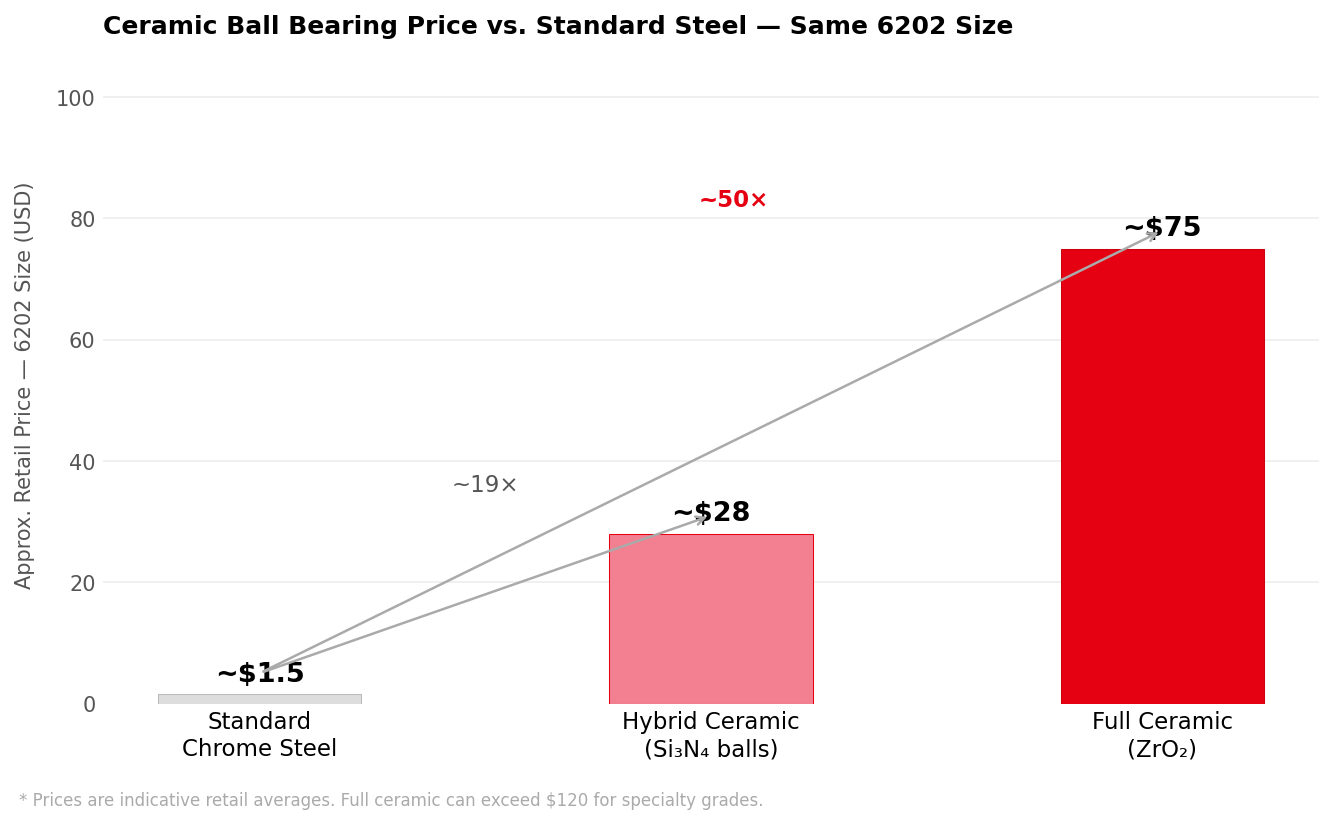
A standard 6202-2RS steel bearing costs around $1–$2. The ceramic version of the same size? Anywhere from $15 to $60. That's a 10–30× price jump for what looks like the same part.
So what are you actually paying for — and when does it make sense?
Hybrid vs. Full Ceramic — Two Very Different Price Points
First, a common misconception: "ceramic bearing" doesn't always mean everything is ceramic. There are two distinct types, and the price gap between them is significant.
| Type | Construction | Typical Price (6202 size) | Best For |
|---|---|---|---|
| Steel (standard) | Steel rings + steel balls | $1 – $3 | General use, low-speed applications |
| Hybrid ceramic | Steel rings + ceramic balls (Si₃N₄ or ZrO₂) | $15 – $40 | High-speed motors, electric spindles, e-bikes |
| Full ceramic | Ceramic rings + ceramic balls | $40 – $120+ | Corrosive environments, extreme heat, medical equipment |
Hybrid ceramic is the more common upgrade choice. Full ceramic is reserved for applications where steel simply can't survive.
What You Actually Get for the Price
Ceramic balls — usually silicon nitride (Si₃N₄) — are about 60% lighter than steel balls of the same size. Less mass means less centrifugal force at high speeds, which means less heat, less friction, and longer bearing life.
Other advantages that justify the ceramic ball bearing price:
- Electrically insulating — ceramic balls don't conduct current, protecting against arc damage in electric motors and inverter-driven drives
- Harder surface — more resistant to contamination damage and surface fatigue
- Corrosion-free — full ceramic versions need no lubrication and survive acids, saltwater, and steam
When Is Ceramic Worth the Higher Price?
Ceramic bearings earn their cost in specific conditions. Outside of those conditions, you're paying a premium for no practical benefit.
| Scenario | Ceramic Worth It? | Reason |
|---|---|---|
| CNC machine spindles | ✅ Yes | High RPM, continuous operation, precision critical |
| Electric vehicle motors | ✅ Yes | Prevents electrical erosion from inverter current |
| Medical / food processing equipment | ✅ Yes (full ceramic) | No lubrication needed, fully corrosion-resistant |
| Ceiling fans / home appliances | ❌ No | Low speed, low load — steel is more than adequate |
| General industrial machinery | ⚠️ Depends | Worth it if downtime costs are high; otherwise stick with steel |
Angular Contact Ceramic Bearings — The Premium End
When ceramic meets angular contact design, prices climb further. These are precision components built for machine tool spindles, robotics, and aerospace applications.
A standard angular contact ball bearing runs $5–$80 in steel. The ceramic or hybrid equivalent of the same size typically starts at $50 and can exceed $300 for precision-grade units.
At this price point, you're not just buying a bearing — you're buying dimensional stability, thermal performance, and the confidence that the part won't be the weak link in an expensive system.
Ball Bearing Replacement Price: Parts, Labor & Total Cost
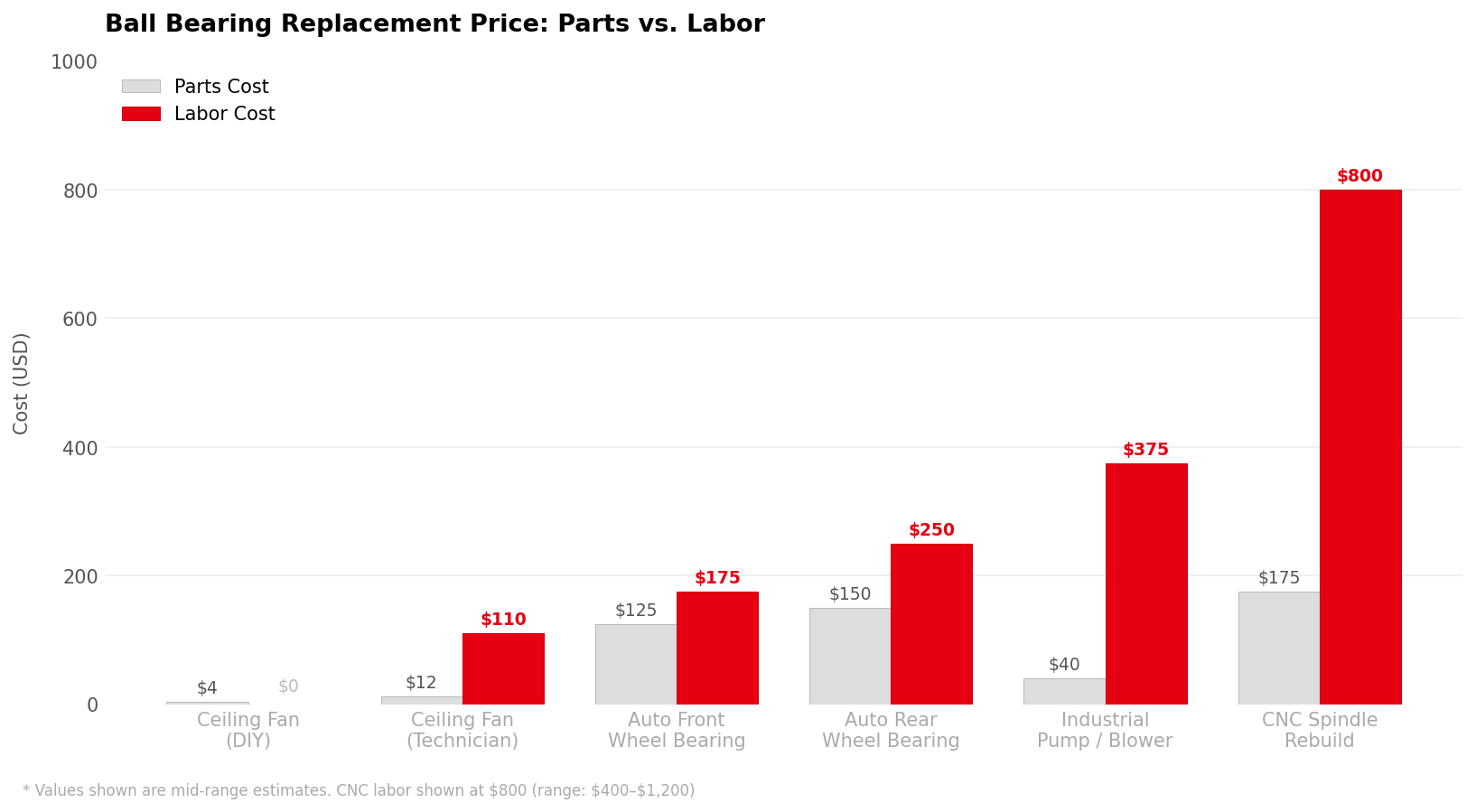
The bearing itself is often the cheapest part of a replacement job. What you're really paying for is the labor — and that varies enormously depending on the application.
Parts Cost by Application
Before adding labor, here's what the bearing itself typically costs across common replacement scenarios:
| Application | Typical Bearing Type | Parts Cost (per bearing) |
|---|---|---|
| Ceiling fan / small motor | 6201-2RS / 6202-2RS | $1 – $5 |
| Power tools / e-bikes | 608 / 6001 / 6002 | $1 – $8 |
| Automotive wheel bearing | Hub assembly / press-fit | $50 – $200 |
| Industrial pump / conveyor | 6205 – 6210 / angular contact | $5 – $80 |
| CNC spindle / precision machine | Precision angular contact (P5/P4) | $50 – $300+ |
| Aerospace / medical equipment | Ceramic / specialty grade | $100 – $1,000+ |
OEM parts typically cost 60–100% more than quality aftermarket alternatives. For most industrial and consumer applications, reputable aftermarket brands (SKF, NSK, Timken) offer the right balance of price and reliability.
Labor Cost Breakdown
Labor is where the real cost variation happens. A bearing that costs $2 might take 5 minutes to swap in a simple machine — or 4 hours to access in a sealed gearbox.
| Scenario | Labor Time | Labor Cost | Total (parts + labor) |
|---|---|---|---|
| Ceiling fan bearing (DIY) | 30–60 min | $0 | $3 – $6 |
| Ceiling fan bearing (technician) | 30–60 min | $70 – $150 | $80 – $175 |
| Automotive front wheel bearing | 1–2 hrs | $100 – $250 | $250 – $500 |
| Automotive rear wheel bearing | 2–3 hrs | $150 – $300 | $350 – $650 |
| Industrial pump / blower | 2–5 hrs | $150 – $600 | $200 – $800 |
| CNC spindle rebuild | 4–8 hrs | $400 – $1,200 | $600 – $2,000+ |
Signs It's Time to Replace
Replacing early is almost always cheaper than waiting for failure. Watch for these signals:
- Grinding or squealing noise during operation
- Unusual vibration or roughness at the shaft
- Excessive heat at the bearing housing
- Visible contamination, rust, or pitting on the races
- Increased play or looseness when the shaft is rocked by hand
A bearing that's noisy but still turning hasn't failed yet — but it's close. The window between "noisy" and "seized" can be days or weeks, not months.
Slew Bearing Price — A Category of Its Own
_1780025960_WNo_1600d900.webp)
Walk up to an excavator. That entire upper structure — cab, engine, boom — rotates on a single bearing. That bearing is a slew ring, and it operates in a completely different price universe from anything else on this page.
What Makes a Slew Bearing Different?
A slew bearing (also called a slewing ring or turntable bearing) is a large-diameter rotational bearing designed to handle axial, radial, and moment loads simultaneously. Most standard ball bearings are measured in millimeters. Slew bearings are measured in meters.
They're used in excavators, tower cranes, wind turbines, offshore drilling platforms, radar systems, and solar trackers — anywhere a heavy structure needs to rotate smoothly and hold position under load.
Slew Bearing Price Range
Price depends primarily on diameter, load rating, gear type, and whether the unit is standard or custom-made.
| Application | Diameter Range | Typical Price Range |
|---|---|---|
| Light-duty turntable / positioner | 200 – 400mm | $100 – $500 |
| Mini excavator | 600 – 900mm | $400 – $1,200 |
| Mid-size excavator (20–30 ton) | 900mm – 1.2m | $800 – $2,500 |
| Tower crane / large crane | 1.2m – 3m+ | $2,000 – $8,000+ |
| Wind turbine pitch / yaw bearing | 1.5m – 5m+ | $5,000 – $30,000+ |
| Custom / offshore / aerospace | Varies | Quote only |
A Tadano crane slewing bearing, for example, commonly trades on secondary markets for $1,000–$1,500 USD. Large tower crane rings from manufacturers can exceed $8,000 for a standard model.
What Drives the Cost?
Several factors push slew bearing price beyond a simple size calculation:
- Gear type: Internal gear, external gear, or no gear — each requires different machining. Geared versions cost more.
- Rolling element design: Single-row ball, double-row ball, three-row roller — more rows and rollers mean higher load ratings and higher prices.
- Tooth hardening: Surface hardened gear teeth (50–60 HRC) add cost but are essential for excavator and crane applications where gear collapse is a common failure mode.
- OEM vs. aftermarket: OEM slew rings from Hitachi, Komatsu, or Liebherr carry a significant premium. Quality aftermarket equivalents can reduce cost by 40–60% with comparable performance.
Repair vs. Replace — Which Makes More Financial Sense?
Minor slew bearing repairs — cleaning, re-lubrication, seal replacement — can cost a few hundred dollars and extend service life significantly.
Full replacement is unavoidable once the raceways show visible pitting or the gear teeth are damaged. At that point, the only cost question is OEM vs. aftermarket, and how quickly you can get the machine back in operation.
For custom or rare models where parts aren't in stock, lead times of 4–12 weeks are common. That waiting cost often exceeds the bearing cost itself — which is why procurement teams in construction and energy keep critical slew bearings in strategic inventory.
How to Use a Ball Bearing Price List Without Overpaying
Two suppliers quote you the same bearing at $1.20 and $9.80. Are they the same part? Maybe. Maybe not. Reading a ball bearing price list correctly means understanding what the numbers and suffixes actually tell you — before you place the order.
Decoding the Model Number
A bearing model number isn't random. Every part of it carries meaning — and buying the wrong suffix can mean paying more for a spec you don't need, or underpaying for one that fails early.
| Part of Number | What It Means | Example |
|---|---|---|
| Base number | Bearing type and size series | 6202 = deep groove, 15mm bore |
| -ZZ | Metal shields on both sides | 6202-ZZ |
| -2RS | Rubber seals on both sides | 6202-2RS |
| C3 | Greater internal clearance (for heat/high speed) | 6202-2RS/C3 |
| P5 / P4 | Precision grade (higher = tighter tolerance = pricier) | 6202-P5 |
| /HC or /C | Hybrid ceramic balls | 6202/HC5C3 |
Two bearings with the same base number but different suffixes can have a 10× price difference. Always match the suffix to your application — not just the base number.
Why Does the Same Model Cost So Much More from Some Suppliers?
You search "6202-2RS price" and see results from $0.90 to $12 for what looks like the same bearing. Here's what's actually driving that range:
Other factors behind the price gap:
- Precision grade: P0 (standard) vs. P5 (precision) can double or triple the price for the same model
- Country of origin: Japanese and European bearings typically cost more than Chinese equivalents — and often justify it in demanding applications
- Clearance rating: C3 bearings for high-temperature use are slightly more expensive than standard CN clearance
- Lubrication type: Specialty greases (high-temp, food-grade, vacuum-rated) add cost over standard mineral grease fills
When to Buy Branded — and When Generic Is Fine
| Application | Recommendation | Reason |
|---|---|---|
| Home appliances, fans, DIY projects | Generic (mid-tier) | Low load, easy to replace, cost matters more than lifespan |
| Automotive (wheel bearings) | OEM or branded aftermarket | Safety-critical; failure has serious consequences |
| Industrial machinery (continuous duty) | Branded (SKF, NSK, FAG) | Downtime cost exceeds the price premium |
| CNC / precision equipment | Branded precision grade (P5/P4) | Dimensional accuracy directly affects output quality |
| Bulk MRO stocking (non-critical) | Mid-tier generic in volume | Cost savings at scale; acceptable for backup inventory |
How Quantity Affects Ball Bearings Price
Ordering in volume is one of the most effective ways to reduce per-unit cost — but only if your storage and usage patterns support it.
As a rough guide, moving from single-unit to a pack of 10 typically saves 30–50% per bearing. Moving to 100+ units from a distributor can push savings to 60–70% versus retail.
For maintenance teams managing multiple machines, consider consolidating bearing specs where possible. Running three machines on the same 6205-2RS instead of three different models reduces ordering complexity and qualifies you for better volume pricing.
Frequently Asked Questions
Q: What is the average cost to replace a ball bearing?
It depends heavily on the application. A ceiling fan bearing costs $3–$6 in parts for DIY, or $80–$175 with professional labor. An automotive wheel bearing runs $250–$650 per wheel including labor. Industrial machinery replacements vary widely — from under $100 for simple setups to $2,000+ for precision equipment requiring skilled technicians.
Q: Can I drive with a bad ball bearing?
Not safely, and not for long. A worn wheel bearing causes grinding noise, vibration, and eventually heat buildup at the hub. In a worst-case scenario, the bearing seizes and the wheel loses stability while driving. If you hear a rumbling or humming sound that changes with speed or steering angle, get it inspected immediately.
Q: Can I replace a ball bearing myself?
For simple applications — ceiling fans, small motors, power tools — yes. The job typically requires basic hand tools and 30–60 minutes. Automotive wheel bearings are more involved: press-fit designs require a hydraulic press and torque specs. Industrial or precision bearings should be handled by someone with the right tools and experience, since improper installation can damage a bearing within hours of operation.
Q: What is the cost of bearings?
Standard chrome steel deep groove ball bearings start under $1 for common sizes like 6201 or 6202. Mid-range industrial bearings run $5–$50. Precision or ceramic bearings cost $20–$200+. Large slew bearings for excavators and cranes range from $400 to $8,000+. The type, size, precision grade, and brand all affect the final price significantly.
Q: Why are ball bearings so expensive?
Standard bearings aren't — a basic 6202 costs around $1–$2. Price climbs when precision tolerances tighten (P5/P4 grade), materials upgrade (ceramic, stainless), or the application demands specialized engineering (angular contact, slew rings). Brand reputation and certifications also add cost. In most cases, the premium reflects genuine performance differences — not just marketing.
Conclusion
Ball bearing prices vary widely — from under $1 for a standard deep groove bearing to tens of thousands for a custom slew ring. But the right price is never just the lowest price. It's the one that matches your load requirements, operating conditions, and replacement cost tolerance. Whether you're buying a $2 fan bearing or specifying a ceramic angular contact unit for a CNC spindle, understanding what drives the cost puts you in a much stronger position to buy smart.
If you're looking for reliable ball bearings at competitive prices, BOM Bearing offers a wide range of bearing types — deep groove, angular contact, self-aligning, thrust, ceramic, and slew rings — backed by rigorous quality control and global shipping. Getting the right bearing at the right price starts with the right supplier. Explore our full catalog or reach out to our team for a custom quote.


Hot Article
-
Top 10 Chinese Bearing Brands: How to Choose?
-
Top 10 Custom Ball Bearing Factories in the USA 2026
-
Top 10 Bearing Brands in the World: 2026 Rankings
-
Top 10 Ball Bearing Manufacturers & Suppliers in China 2026
-
Top 10 Slewing Ring Bearing Manufacturers and Suppliers in China (2026)
-
Top 10 Roller Bearing Suppliers in China (2026)
-
Top 10 Cross Roller Bearing Manufacturers 2026
-
List of Custom Bearing Manufacturers: Our Top 10 Picks
Speak to One of Our Experts
Name can't be empty
Email error!
Message can't be empty
Send Message
*We respect your confidentiality and all information are protected.
People Also Viewed
-
 Top 10 Chinese Bearing Brands: How to Choose?
Looking for the best Chinese bearing brands? This guide reviews the top 10 bearing manufacturers in China — covering certifications, product range, and application fit — to help distributors, engineers, and procurement teams source the right bearing supplier with confidence.
Read More -
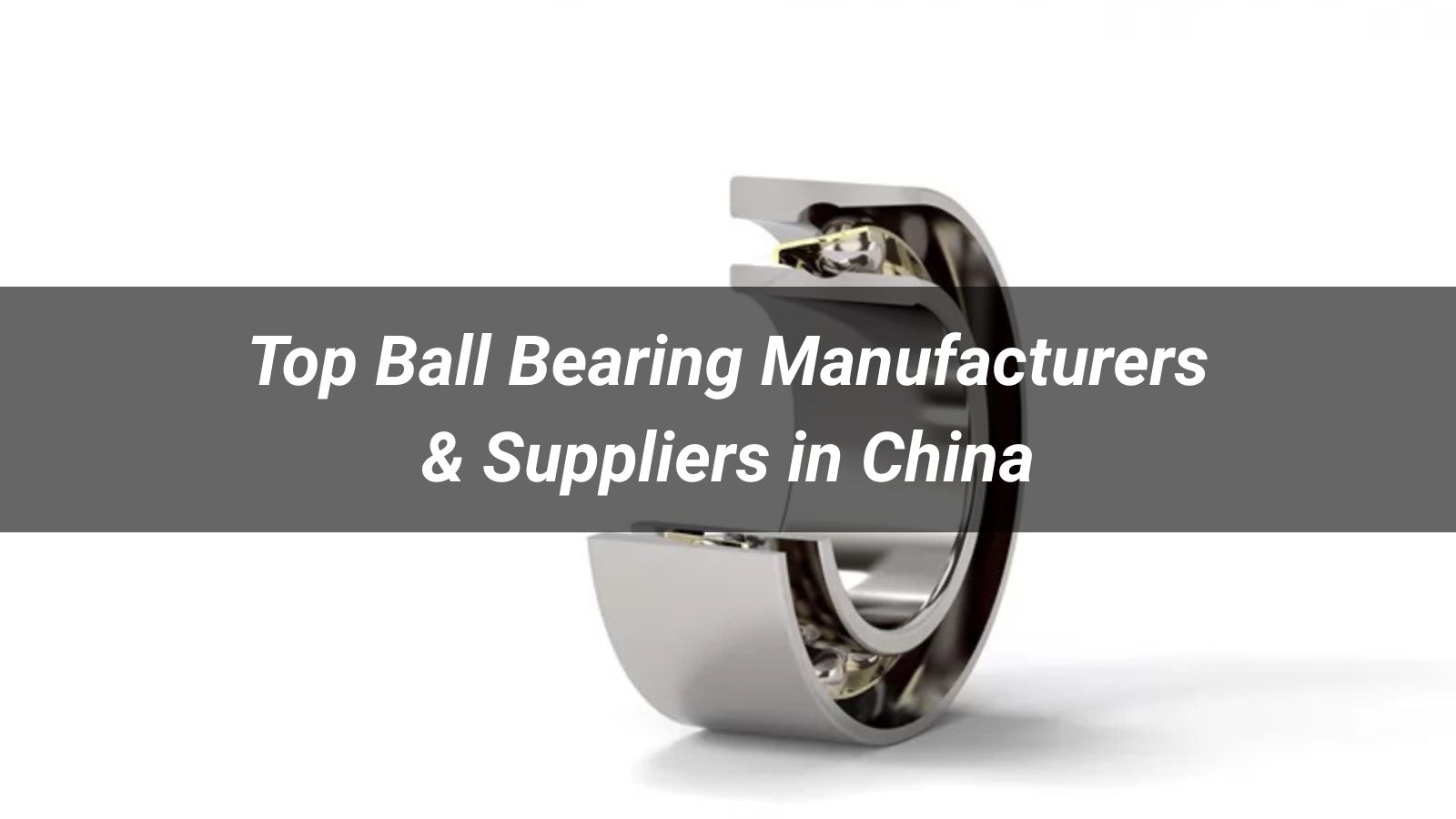 Top 10 Ball Bearing Manufacturers & Suppliers in China 2026
Below you'll find profiles of ten verified ball bearing manufacturers and suppliers in China — each selected for export track record, product depth, and accessibility for international buyers.
Read More -
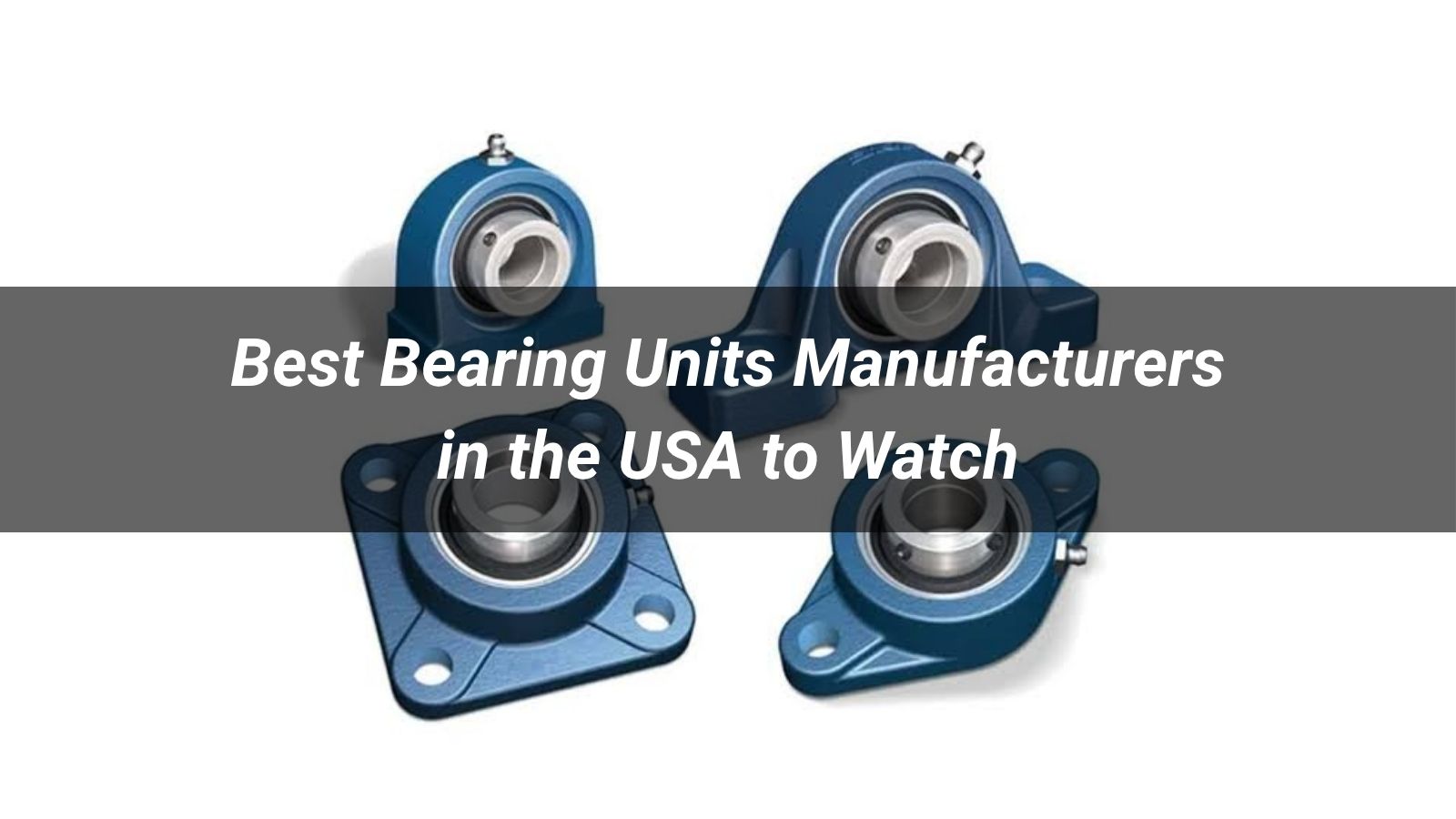 5 Best Bearing Units Manufacturers in the USA 2026
Explore 5 leading bearing unit manufacturers serving the U.S. market in 2026, with key products, applications, and practical buying factors for OEMs, MRO teams, distributors, and industrial buyers.
Read More


