
Sealed Bearing Price: How Much Should You Actually Pay?
May 13, 2026
BOM
Sealed bearing price is one of the most-searched topics among industrial buyers — and for good reason. Prices vary from under $1 to well over $100 for what looks like the same component. Understanding why that gap exists can save procurement teams thousands of dollars per year.
Based on current market data and factory pricing benchmarks, most standard sealed bearings for industrial use fall between $0.50 and $20 per unit — with the final cost shaped by material, precision grade, seal type, order volume, and supply channel. The global bearing market continues to consolidate around China-based manufacturing, where factory-direct pricing has made high-quality sealed bearings increasingly accessible to buyers worldwide. This guide is written for:
- Procurement managers sourcing sealed bearings at volume
- Mechanical engineers specifying components for new equipment
- Maintenance teams looking to reduce replacement costs without sacrificing reliability
- OEM manufacturers evaluating factory-direct supply options
Whether you're replacing a single bearing or planning an annual supply contract, knowing what drives sealed bearing cost — and where the real value lies — is the first step to buying smarter. Read on for a full breakdown.
Table of Contents
- What Is a Sealed Bearing?
- What Does a Sealed Bearing Typically Cost?
- What Drives the Price Difference?
- Branded vs. Factory-Direct: Is the Price Gap Worth It?
- How Quantity Affects Your Sealed Bearing Cost
- How to Get an Accurate Price for Your Application
- Conclusion
What Is a Sealed Bearing?
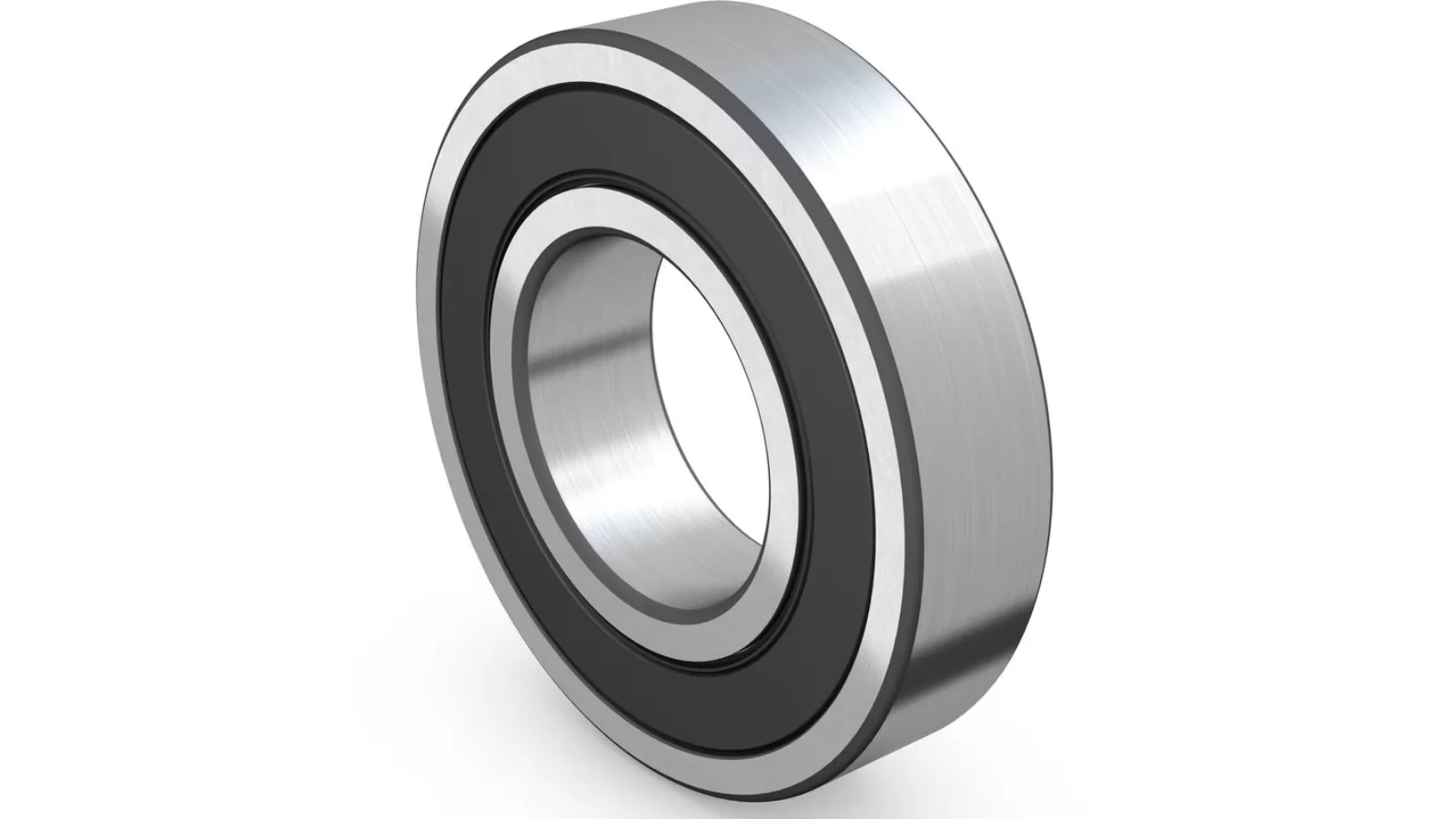
A sealed bearing is a standard rolling bearing — with one critical addition: a built-in seal on one or both sides that locks grease in and keeps contaminants out.
No external lubrication needed. No maintenance schedule to track. It runs, and keeps running.
The seal itself is usually rubber (2RS) or metal (ZZ/2Z). Rubber seals make contact with the inner ring for better contamination protection. Metal shields sit close but don't touch — lower friction, higher speed.
| Seal Type | Code | Best For |
|---|---|---|
| Rubber contact seal | 2RS / 2RSH | Dusty, wet, or harsh environments |
| Metal shield | ZZ / 2Z | High-speed, low-contamination applications |
| Single seal/shield | RS / Z | One-side exposure only |
You'll find sealed bearings in electric motors, conveyor systems, agricultural equipment, pumps, and automotive components — anywhere rotation meets a dirty or demanding environment.
The result? Lower maintenance cost, longer service life, and fewer unplanned shutdowns.
What Does a Sealed Bearing Typically Cost?
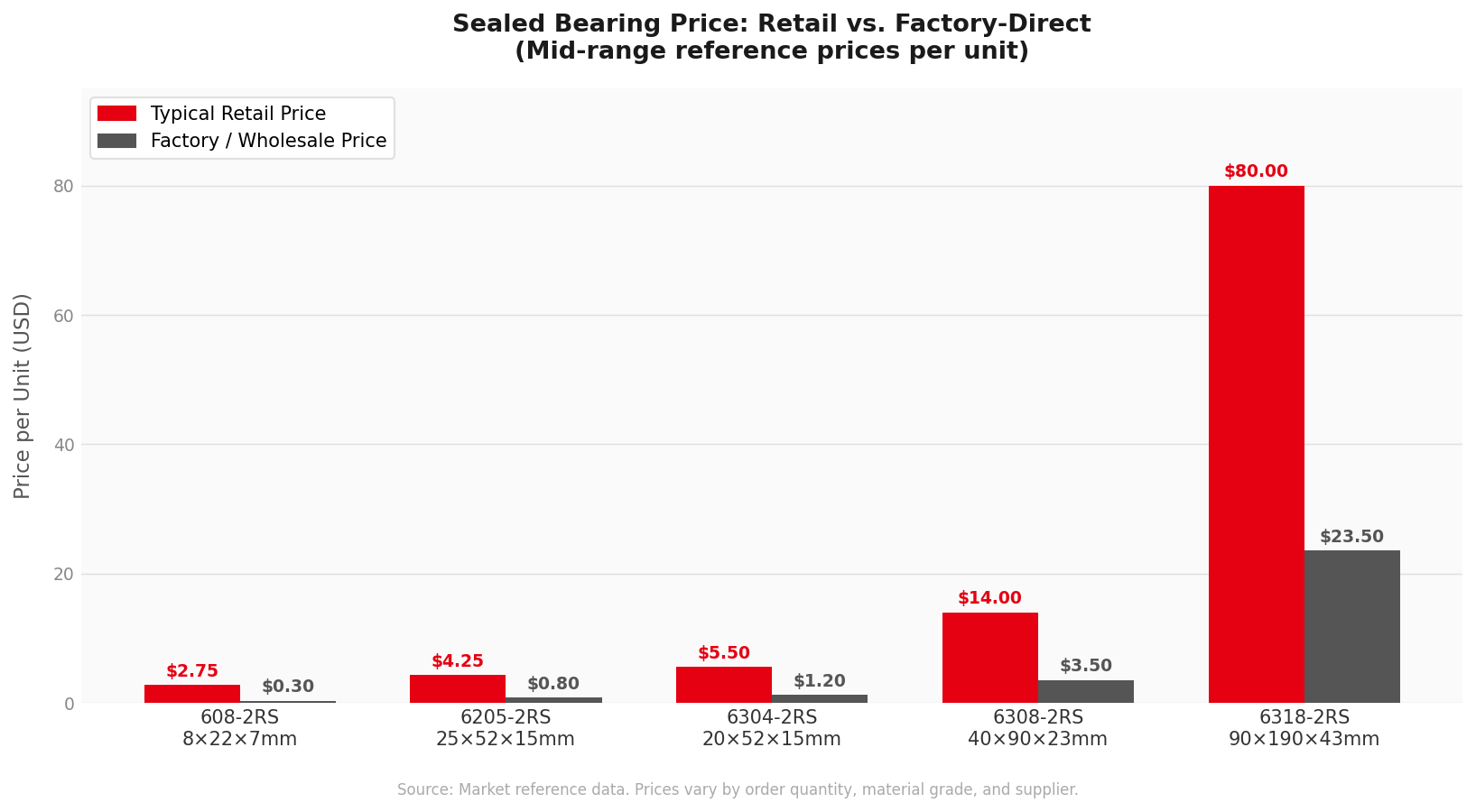
The honest answer: anywhere from $0.50 to over $200 — depending on size, material, precision, and where you buy.
But most standard sealed bearings used in industrial and mechanical applications fall within a much tighter range. Here's a practical reference based on common models.
The table below reflects typical market prices for chrome steel, rubber-sealed (2RS) deep groove ball bearings at single-unit or small-batch quantities.
| Model | Dimensions (ID×OD×W) | Typical Retail Price | Factory / Wholesale Price |
|---|---|---|---|
| 608-2RS | 8×22×7 mm | $1.50 – $4.00 | $0.10 – $0.50 |
| 6205-2RS | 25×52×15 mm | $2.50 – $6.00 | $0.40 – $1.20 |
| 6304-2RS | 20×52×15 mm | $3.00 – $8.00 | $0.60 – $1.80 |
| 6308-2RS | 40×90×23 mm | $8.00 – $20.00 | $2.00 – $5.00 |
| 6318-2RS | 90×190×43 mm | $40.00 – $120.00 | $12.00 – $35.00 |
The gap between retail and factory price is real — and it grows significantly at volume. A buyer purchasing 1,000 units of 6205-2RS directly from a Chinese manufacturer typically pays under $0.80 per piece.
Brand names add another layer. An SKF or NSK 6205-2RS typically runs $8–$15 at retail. A certified Chinese manufacturer producing to the same ISO tolerances may quote $0.80–$1.50 per piece on a 500-unit order — with full material and dimensional documentation.
What Drives the Price Difference?
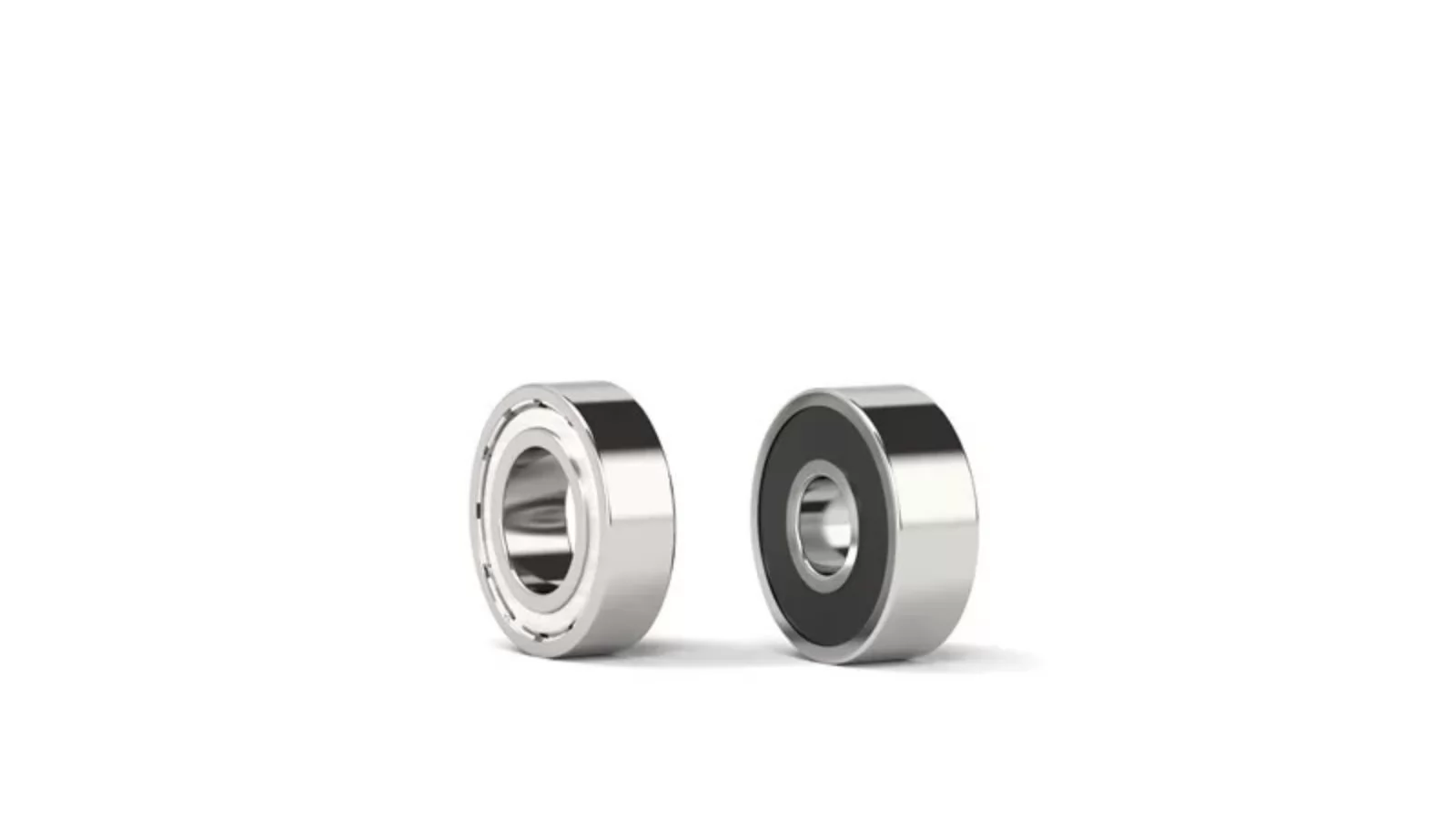
Same dimensions. Wildly different prices. Here's what's actually changing the number.
1. Material
Chrome steel (GCr15) is the standard — affordable, reliable, widely used. Step up to stainless steel (AISI 440C) for corrosive environments, and the sealed bearing cost roughly doubles. Hybrid ceramic (steel rings, ceramic balls) can run 5–10× the price of chrome steel, but delivers significantly longer life in high-speed or electrically insulated applications.
2. Precision Grade
Standard bearings are ABEC 1 or ABEC 3. Precision machinery, CNC spindles, and medical equipment often require ABEC 5, 7, or higher. Each step up in grade tightens dimensional tolerances — and raises the price 30–150% or more.
3. Seal Type
Rubber contact seals (2RS) offer better contamination protection but slightly higher friction. Metal shields (ZZ) allow higher speeds and cost marginally less. The difference per unit is small — but it matters when you're sourcing thousands of pieces.
4. Order Quantity
This is usually the biggest lever. Sealed bearing price drops dramatically at volume.
| Order Quantity | Typical Price per Unit (6205-2RS) |
|---|---|
| 1 – 10 pcs | $2.50 – $6.00 |
| 50 – 100 pcs | $1.20 – $2.50 |
| 500 – 1,000 pcs | $0.60 – $1.20 |
| 5,000+ pcs | $0.30 – $0.80 |
Even a jump from 10 to 100 units can cut per-piece cost by more than half.
5. Brand Premium
SKF, NSK, FAG, and Timken carry decades of reputation — and price their products accordingly. For critical, high-load applications where failure carries serious consequences, the premium is often justified. For general-purpose machinery running standard duty cycles, a well-certified factory bearing performs identically at a fraction of the sealed bearing cost.
Branded vs. Factory-Direct: Is the Price Gap Worth It?
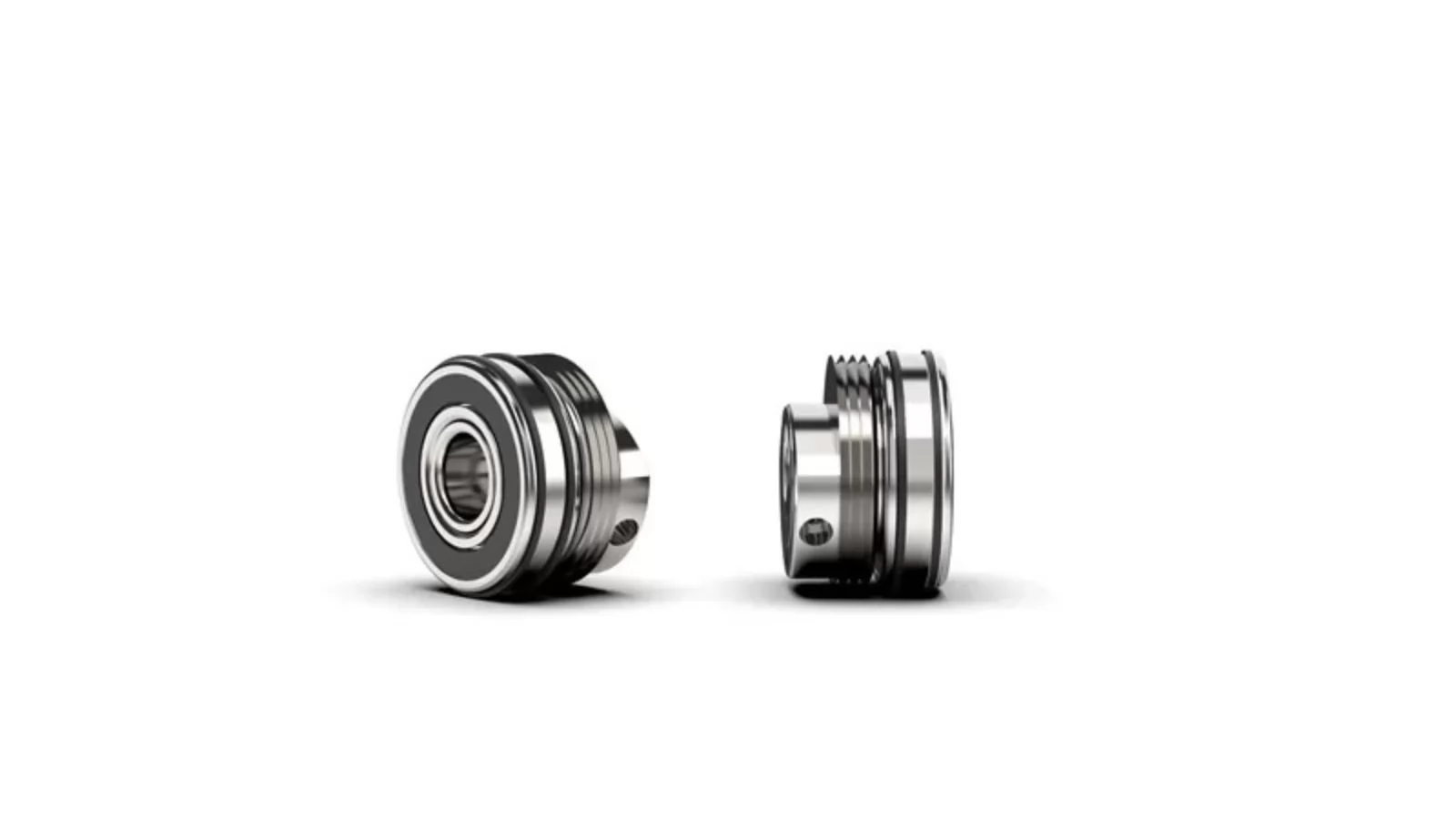
This is the question every procurement manager eventually asks.
The short answer: it depends on what failure actually costs you.
When branded bearings make sense
Premium brands like SKF, NSK, and FAG invest heavily in metallurgy, quality control, and application engineering. Their documentation is exhaustive. Their tolerances are consistent batch after batch.
In these situations, the higher sealed bearing price is a sound investment:
- High-speed spindles where a failure shuts down an entire production line
- Aerospace or medical equipment with strict certification requirements
- Extreme operating conditions — very high temperatures, heavy shock loads
- Applications where bearing life directly affects product warranty
When factory-direct makes sense
The reality is that most industrial sealed bearings run standard duty cycles in predictable environments. For these applications, a well-manufactured bearing from a certified Chinese factory performs identically to a branded equivalent — at 20–40% of the cost.
The key is knowing what to verify before you buy. A reputable factory should provide:
- ISO 9001 certification
- Material test reports (MTR) on request
- Dimensional inspection reports
- Noise and vibration test data (ABEC grade verification)
The real cost comparison
Price is only part of the sealed bearing cost equation. Factor in the full picture.
| Factor | Branded | Factory-Direct |
|---|---|---|
| Unit price (6205-2RS, 500 pcs) | $6.00 – $15.00 | $0.60 – $1.20 |
| Lead time | Days (from distributor stock) | 2–4 weeks (sea freight) |
| MOQ flexibility | Low (buy 1 unit) | Moderate (typically 50–200 pcs) |
| Documentation | Full, standardized | Available on request |
| Best for | Critical, certified applications | Standard industrial use, OEM production |
For most buyers sourcing at volume for general industrial use, factory-direct delivers the better total value — as long as the supplier is properly vetted.
How Quantity Affects Your Sealed Bearing Cost
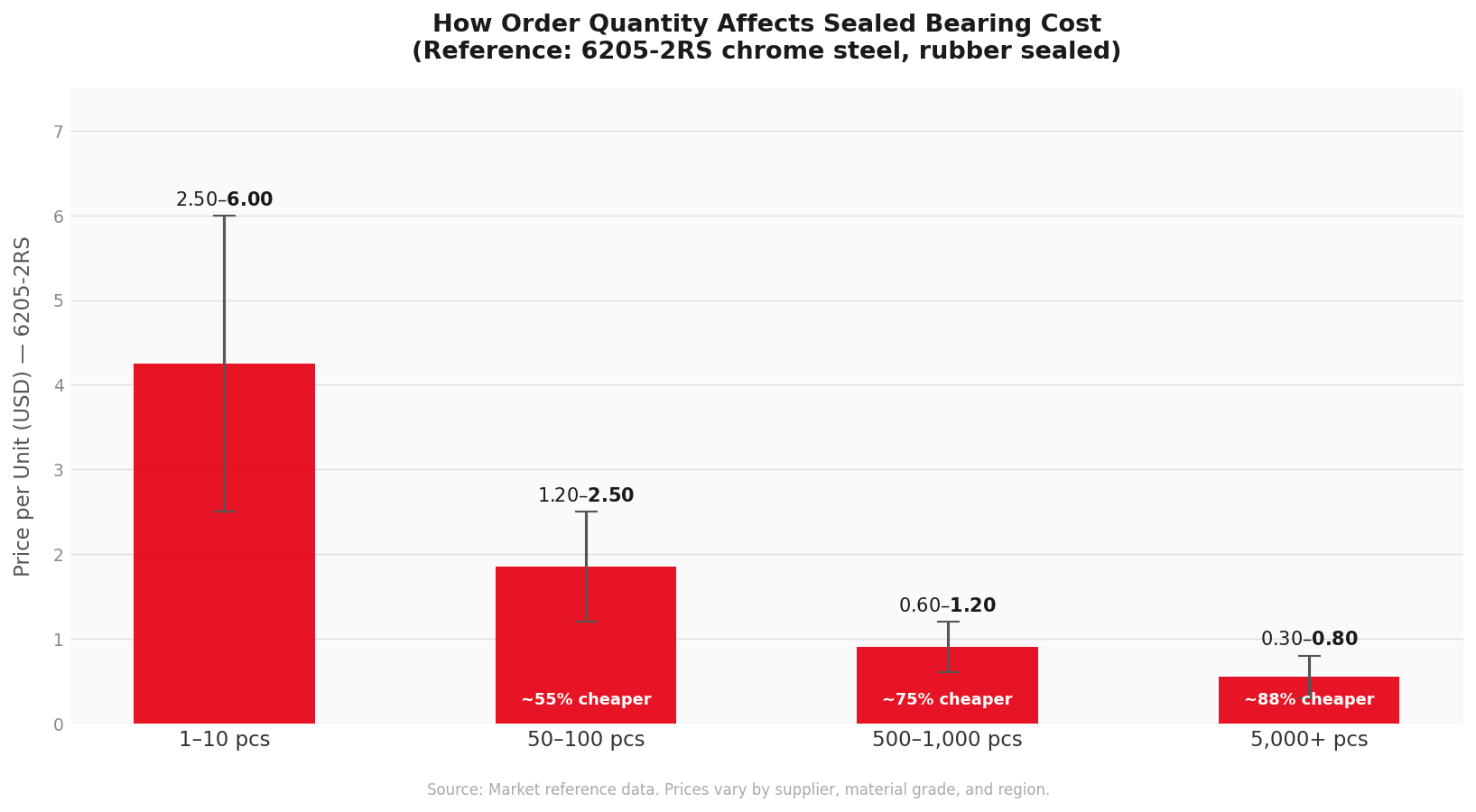
Volume is the single most powerful lever in bearing procurement.
It's not just a small discount. At scale, the price structure changes entirely.
Understanding tiered pricing
Factories price bearings based on production runs, setup costs, and material purchasing. A small order requires the same setup as a large one — so the per-unit cost is front-loaded at low quantities.
Here's how that plays out across a typical sealed bearing order.
| Order Size | Price Range (per unit) | Best Channel |
|---|---|---|
| 1 – 20 pcs | $2.50 – $8.00 | Local distributor / Amazon |
| 50 – 200 pcs | $1.00 – $3.00 | Online wholesaler / small B2B order |
| 500 – 2,000 pcs | $0.50 – $1.50 | Direct factory inquiry |
| 5,000+ pcs | $0.20 – $0.80 | OEM factory contract |
Moving from a 20-unit order to a 500-unit order can reduce your per-piece sealed bearing cost by 60–80%. That's not a negotiation trick — it's how manufacturing economics work.
Planning smarter purchases
Many maintenance teams buy bearings reactively — ordering small quantities when something breaks. This is the most expensive way to operate.
A smarter approach: audit your bearing consumption over 6–12 months, identify your top 5–10 most-used models, and consolidate into a single larger annual order. The sealed bearing cost savings typically fund themselves within the first purchase cycle.
How to Get an Accurate Price for Your Application
A bearing spec on paper and a bearing that fits your application are two different things. Getting a meaningful price quote starts with giving a supplier the right information.
What to prepare before you inquire
The more specific your inquiry, the faster and more accurate the quote. Have these ready:
- Bearing model or dimensions — model number (e.g. 6205-2RS) or ID × OD × width in mm
- Seal type — rubber (2RS), metal shield (ZZ), or single-sided
- Material requirement — chrome steel, stainless steel, or special alloy
- Quantity — both immediate need and estimated annual volume
- Application environment — temperature range, exposure to moisture, chemicals, or dust
- Precision grade — standard ABEC 1/3, or higher precision required
What a reliable supplier should tell you
Price is just the starting point. A trustworthy factory will also confirm:
- Lead time and MOQ for your specific model
- Available certifications and test documentation
- Whether the spec can be customized (seal material, clearance, lubrication)
- Packaging options — bulk, individually boxed, custom branded
At BOM, we manufacture sealed bearings across standard and non-standard specifications for industrial, automation, and OEM applications. Share your requirements and we'll respond with a factory-direct price within 24 hours.
Branded vs. Factory-Direct: Is the Price Gap Worth It?
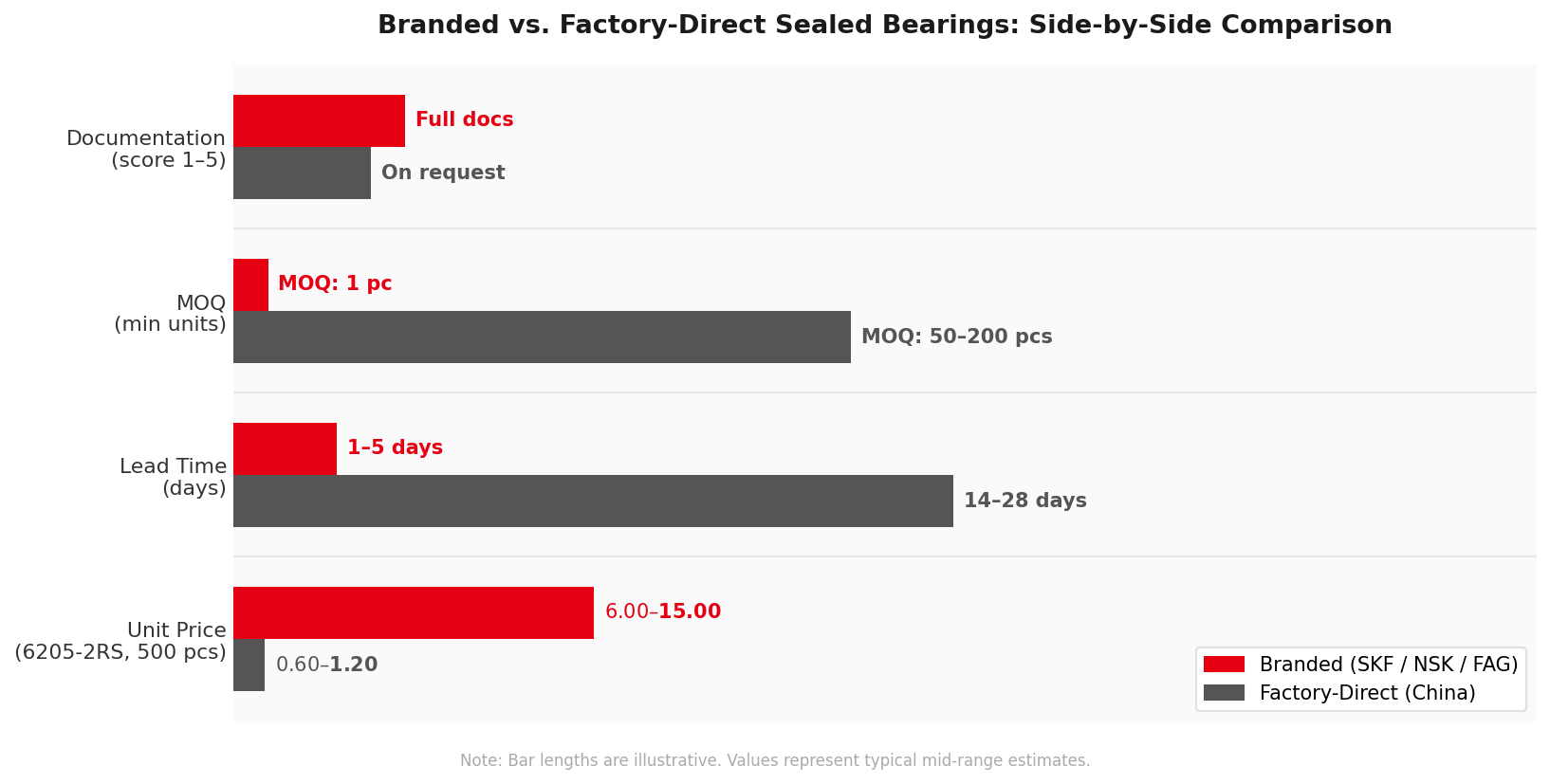
This is the question every procurement manager eventually asks.
The short answer: it depends on what failure actually costs you.
When branded bearings make sense
Premium brands like SKF, NSK, and FAG invest heavily in metallurgy, quality control, and application engineering. Their documentation is exhaustive. Their tolerances are consistent batch after batch.
In these situations, the higher sealed bearing price is a sound investment:
- High-speed spindles where a failure shuts down an entire production line
- Aerospace or medical equipment with strict certification requirements
- Extreme operating conditions — very high temperatures, heavy shock loads
- Applications where bearing life directly affects product warranty
When factory-direct makes sense
The reality is that most industrial sealed bearings run standard duty cycles in predictable environments. For these applications, a well-manufactured bearing from a certified Chinese factory performs identically to a branded equivalent — at 20–40% of the cost.
The key is knowing what to verify before you buy. A reputable factory should provide:
- ISO 9001 certification
- Material test reports (MTR) on request
- Dimensional inspection reports
- Noise and vibration test data (ABEC grade verification)
The real cost comparison
Price is only part of the sealed bearing cost equation. Factor in the full picture.
| Factor | Branded | Factory-Direct |
|---|---|---|
| Unit price (6205-2RS, 500 pcs) | $6.00 – $15.00 | $0.60 – $1.20 |
| Lead time | Days (from distributor stock) | 2–4 weeks (sea freight) |
| MOQ flexibility | Low (buy 1 unit) | Moderate (typically 50–200 pcs) |
| Documentation | Full, standardized | Available on request |
| Best for | Critical, certified applications | Standard industrial use, OEM production |
For most buyers sourcing at volume for general industrial use, factory-direct delivers the better total value — as long as the supplier is properly vetted.
How Quantity Affects Your Sealed Bearing Cost
Volume is the single most powerful lever in bearing procurement.
It's not just a small discount. At scale, the price structure changes entirely.
Understanding tiered pricing
Factories price bearings based on production runs, setup costs, and material purchasing. A small order requires the same setup as a large one — so the per-unit cost is front-loaded at low quantities.
Here's how that plays out across a typical sealed bearing order.
| Order Size | Price Range (per unit) | Best Channel |
|---|---|---|
| 1 – 20 pcs | $2.50 – $8.00 | Local distributor / Amazon |
| 50 – 200 pcs | $1.00 – $3.00 | Online wholesaler / small B2B order |
| 500 – 2,000 pcs | $0.50 – $1.50 | Direct factory inquiry |
| 5,000+ pcs | $0.20 – $0.80 | OEM factory contract |
Moving from a 20-unit order to a 500-unit order can reduce your per-piece sealed bearing cost by 60–80%. That's not a negotiation trick — it's how manufacturing economics work.
Planning smarter purchases
Many maintenance teams buy bearings reactively — ordering small quantities when something breaks. This is the most expensive way to operate.
A smarter approach: audit your bearing consumption over 6–12 months, identify your top 5–10 most-used models, and consolidate into a single larger annual order. The sealed bearing cost savings typically fund themselves within the first purchase cycle.
How to Get an Accurate Price for Your Application
A bearing spec on paper and a bearing that fits your application are two different things. Getting a meaningful price quote starts with giving a supplier the right information.
What to prepare before you inquire
The more specific your inquiry, the faster and more accurate the quote. Have these ready:
- Bearing model or dimensions — model number (e.g. 6205-2RS) or ID × OD × width in mm
- Seal type — rubber (2RS), metal shield (ZZ), or single-sided
- Material requirement — chrome steel, stainless steel, or special alloy
- Quantity — both immediate need and estimated annual volume
- Application environment — temperature range, exposure to moisture, chemicals, or dust
- Precision grade — standard ABEC 1/3, or higher precision required
What a reliable supplier should tell you
Price is just the starting point. A trustworthy factory will also confirm:
- Lead time and MOQ for your specific model
- Available certifications and test documentation
- Whether the spec can be customized (seal material, clearance, lubrication)
- Packaging options — bulk, individually boxed, custom branded
At BOM, we manufacture sealed bearings across standard and non-standard specifications for industrial, automation, and OEM applications. Share your requirements and we'll respond with a factory-direct price within 24 hours.
Conclusion
Sealed bearing price is never just a number on a quote sheet. It reflects material choices, precision standards, seal design, order volume, and the supply channel you choose. A $0.80 bearing and a $12 bearing can share the same model number — what separates them is everything that goes into manufacturing and quality control. For most industrial and OEM applications, the sweet spot sits firmly in the factory-direct range: verified specs, documented quality, and unit costs that make large-scale procurement genuinely cost-effective.
If you're sourcing sealed bearings for automation, machinery, or custom OEM applications, BOM manufactures to both standard and non-standard specifications — with full documentation, flexible MOQ, and factory-direct pricing. Based in China with over 20 years of precision bearing experience, BOM works with procurement teams and engineers worldwide to match the right bearing to the right application at the right cost. Share your requirements and get a quote within 24 hours.


Hot Article
-
Top 10 Chinese Bearing Brands: How to Choose?
-
Top 10 Custom Ball Bearing Factories in the USA 2026
-
Top 10 Ball Bearing Manufacturers & Suppliers in China 2026
-
Top 10 Slewing Ring Bearing Manufacturers and Suppliers in China (2026)
-
Top 10 Bearing Brands in the World: 2026 Rankings
-
Top 10 Cross Roller Bearing Manufacturers 2026
-
Top 10 Roller Bearing Suppliers in China (2026)
-
List of Custom Bearing Manufacturers: Our Top 10 Picks
Speak to One of Our Experts
Name can't be empty
Email error!
Message can't be empty
Send Message
*We respect your confidentiality and all information are protected.
People Also Viewed
-
 Top 10 Cylindrical Roller Bearing Manufacturers & Suppliers in 2026: The Buyer's Guide to Choosing Right
Top 10 cylindrical roller bearing manufacturers & suppliers in 2026 — ranked by application, with specs, certifications, and pricing to help engineers and procurement teams choose the right supplier.
Read More -
 Top 10 Roller Bearing Manufacturers and Companies in the USA (2026 Review)
Discover the top 10 roller bearing manufacturers and companies in the USA (2026). Compare products, certifications, and find the right supplier for your needs.
Read More -
 Top 10 Tapered Roller Bearing Manufacturers in the USA (2026 Updated)
Looking for the top tapered roller bearing manufacturers in the USA? This guide covers 10 leading brands — from Timken to SKF — with key specs, certifications, and industry applications to help you find the right supplier faster.
Read More


