
Roller Bearing and Ball Bearing: Key Differences, Applications, and How to Choose
Nov 20, 2026
BOM
What Are Ball Bearings and Roller Bearings?
Ball bearings and roller bearings are two common types of rolling bearings. Both reduce friction between moving parts and help shafts rotate smoothly. The main difference lies in their rolling elements: ball bearings use spherical balls, while roller bearings use cylindrical or other shaped rollers.
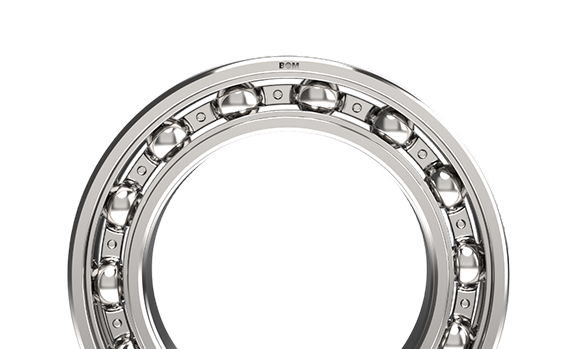
What Is a Ball Bearing?
A ball bearing uses small spherical balls positioned between two rings: an inner race and an outer race. As the shaft rotates, the balls roll along the raceways, reducing friction and allowing smooth movement.
Most ball bearings are designed to handle radial loads. Depending on their design, they can also support axial loads. Their relatively low friction makes them a popular choice for high-speed applications.
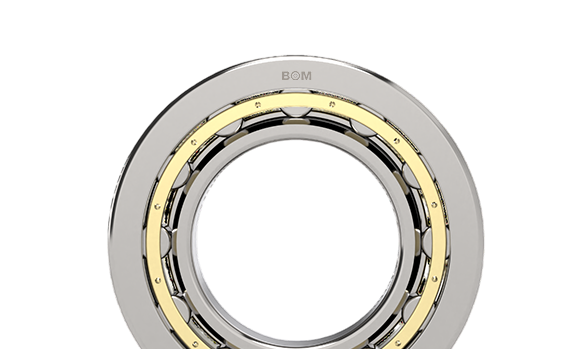
What Is a Roller Bearing?
A roller bearing uses cylindrical, tapered, spherical, or needle-shaped rolling elements instead of balls.
These rollers move between the inner and outer raceways, distributing loads over a larger contact area. Many roller bearing designs can support heavier radial loads than comparable ball bearings.
Key takeaway: Ball bearings are commonly selected for smooth, high-speed operation, while roller bearings are often preferred for heavier loads. The right choice depends on the equipment's actual operating requirements.
What Is the Difference Between Roller Bearings and Ball Bearings?
The main difference is their rolling element shape and contact area. This affects how they handle loads, operate at different speeds, and perform under demanding conditions.
| Comparison | Ball Bearings | Roller Bearings |
|---|---|---|
| Rolling Elements | Spherical balls | Cylindrical, tapered, spherical, or needle-shaped rollers |
| Contact Type | Point contact | Line or modified line contact |
| Load Capacity | Generally suitable for light to moderate loads | Generally better for heavy loads |
| Speed Capability | Often suitable for high-speed operation | Depends on roller type, lubrication, and operating conditions |
| Friction | Generally lower friction | Can have higher friction, depending on design |
| Shock Resistance | Generally less suitable for heavy shock loads | Some designs handle heavy and shock loads well |
| Applications | Electric motors, fans, pumps, and household appliances | Gearboxes, conveyors, construction equipment, and heavy machinery |
Advantages and Disadvantages of Ball and Roller Bearings
Each bearing type offers different performance characteristics. Understanding these strengths and limitations helps engineers make more reliable selection decisions.
Advantages of Ball Bearings
- Low friction and reduced energy loss.
- Suitable for many high-speed applications.
- Smooth and relatively quiet operation.
- Versatile radial and axial load configurations.
- Compact designs for limited installation space.
Disadvantages
- Limited heavy-load capacity in many designs.
- Can be sensitive to heavy shock loads.
- Point contact concentrates stress in a smaller area.
Advantages of Roller Bearings
- High radial load capacity.
- Good performance in certain shock-load conditions.
- Suitable for heavy-duty industrial machinery.
- Multiple designs for different load requirements.
- Some designs accommodate shaft misalignment.
Disadvantages
- Some designs have higher friction.
- Many types have lower limiting speeds.
- Some designs require accurate alignment.
- Proper lubrication is essential.
Different Types of Ball and Roller Bearings
Different bearing structures are designed to handle different load conditions, installation requirements, and operating environments.
Common Types of Ball Bearings
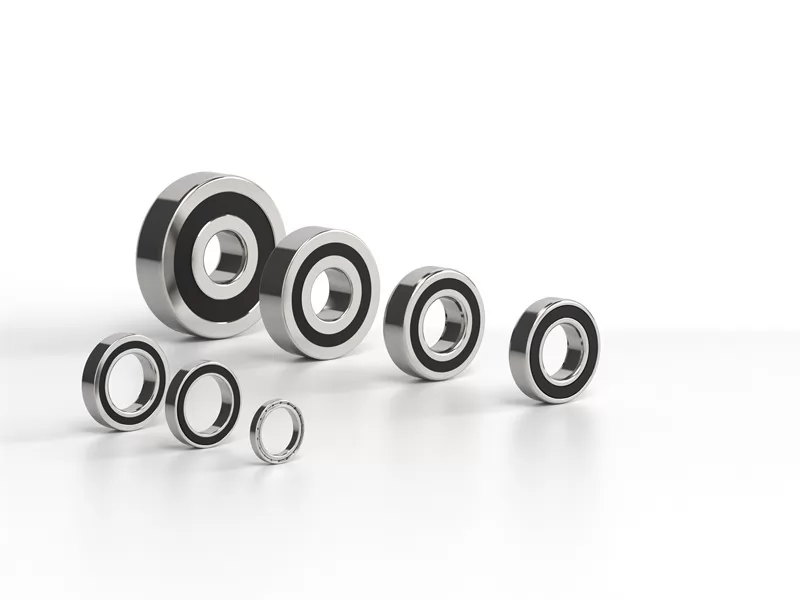
Deep Groove Ball Bearings
Widely used for radial loads and moderate axial loads in electric motors, pumps, and fans.
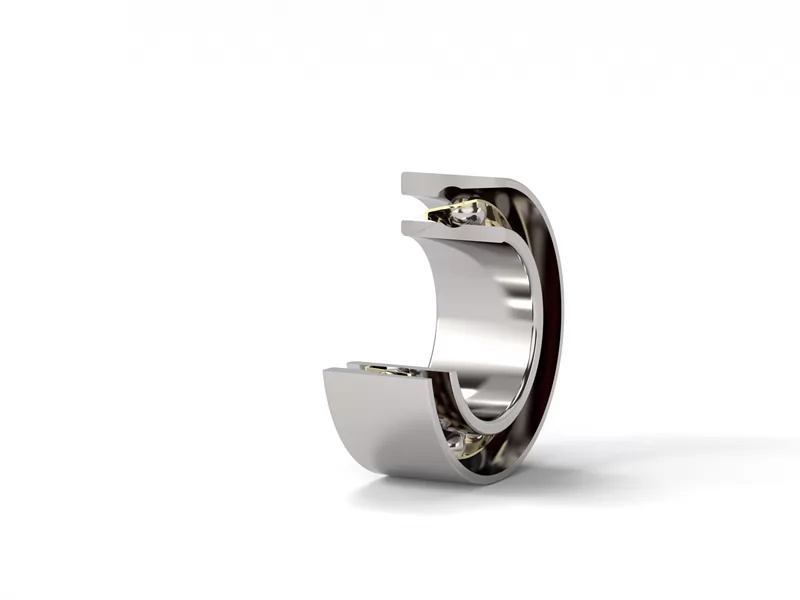
Angular Contact Ball Bearings
Designed for combined radial and axial loads in precision drives, pumps, and machine tools.
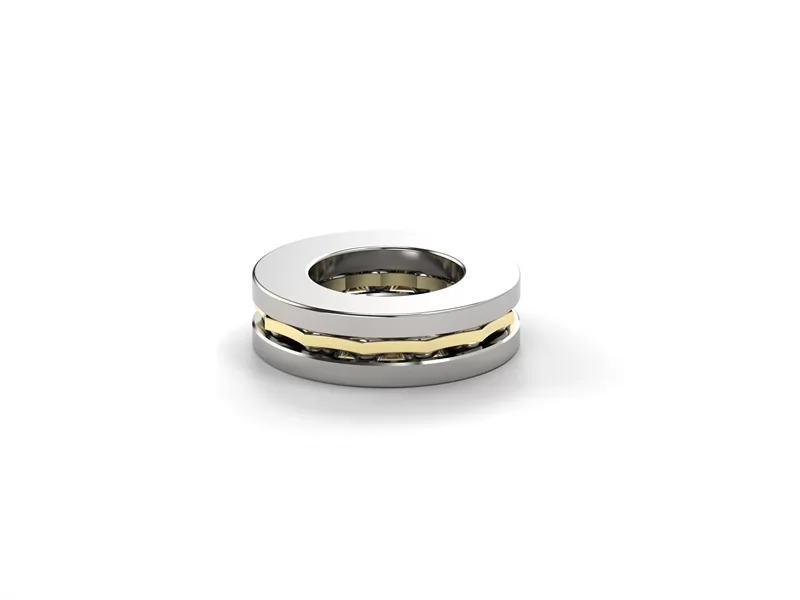
Thrust Ball Bearings
Designed primarily for axial loads in vertical shafts and rotary tables.
Common Types of Roller Bearings
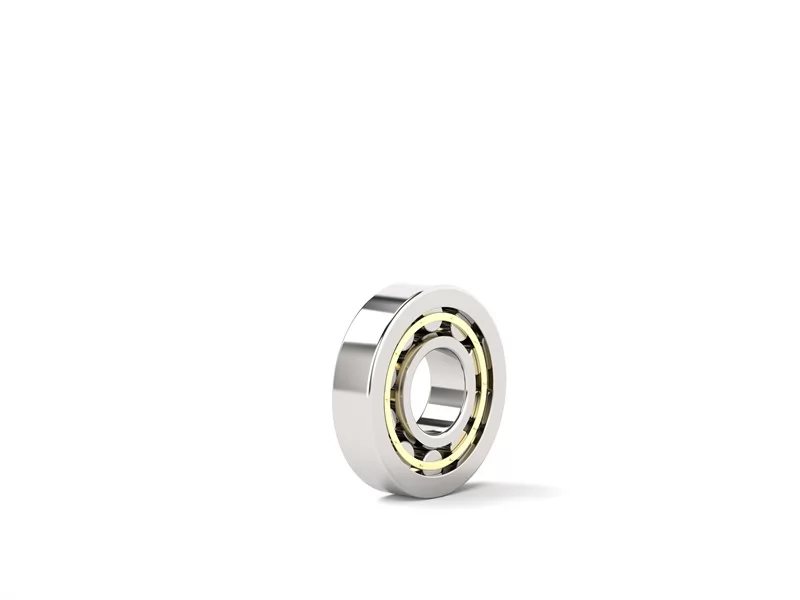
Cylindrical Roller Bearings
Suitable for heavy radial loads and high stiffness in motors, gearboxes, and industrial machinery.
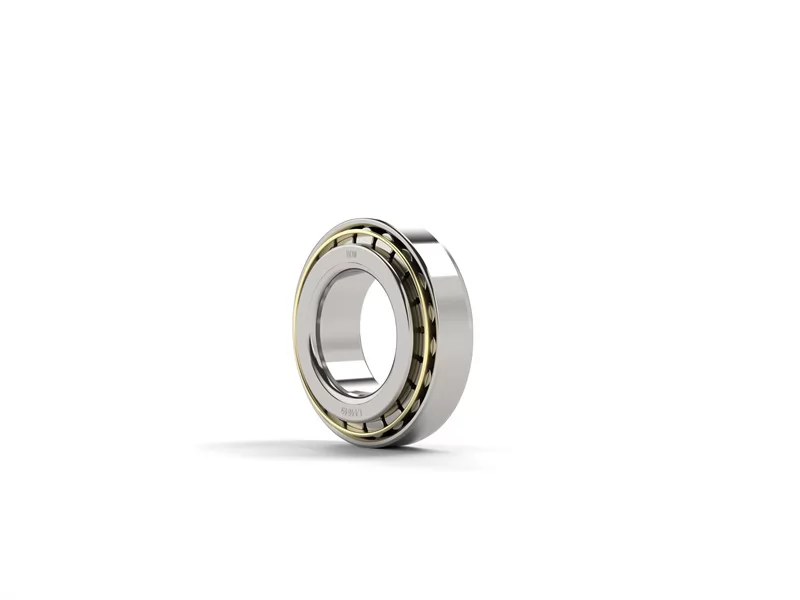
Tapered Roller Bearings
Designed for combined radial and axial loads in automotive wheel hubs and transmissions.
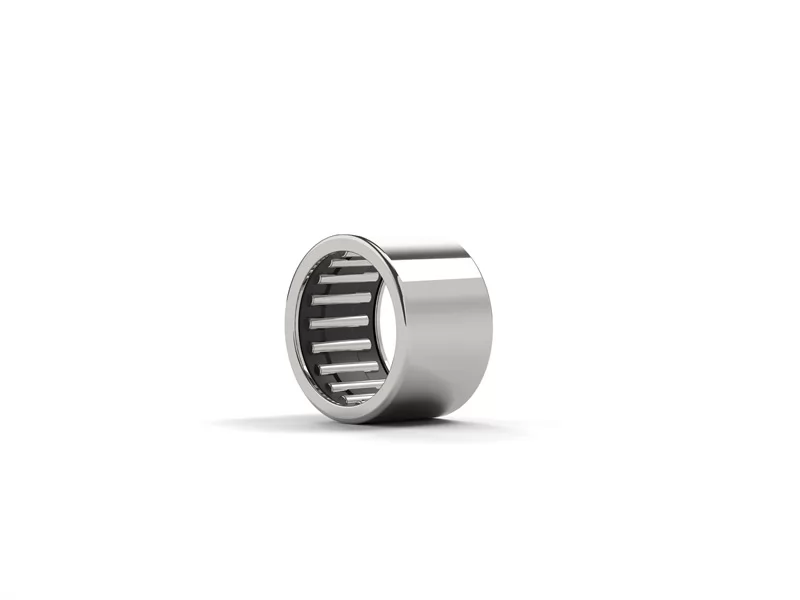
Spherical and Needle Roller Bearings
Designed for specific load, alignment, and compact installation requirements.
Where Are Ball Bearings and Roller Bearings Used
Ball bearings and roller bearings are widely used across industries to support rotating shafts, reduce friction, and handle different operating loads. The bearing type depends on the equipment structure, speed, load capacity, and working conditions.
| Industry or Equipment | Common Bearing Type | Typical Application |
|---|---|---|
| Electric Motors | Ball Bearings / Cylindrical Roller Bearings | Motor shafts and rotor support |
| Automotive | Ball Bearings / Tapered Roller Bearings | Wheel hubs, transmissions, and engine components |
| Industrial Pumps | Ball Bearings / Angular Contact Ball Bearings | Shaft support and pump rotation |
| Gearboxes | Cylindrical / Tapered Roller Bearings | Gear shaft support and load distribution |
| Conveyor Systems | Spherical / Cylindrical Roller Bearings | Rollers, pulleys, and rotating shafts |
| Machine Tools | Angular Contact Ball Bearings | High-speed spindle support |
| Mining Equipment | Spherical Roller Bearings | Crushers, vibrating screens, and heavy machinery |
How Do You Choose Between a Ball Bearing and a Roller Bearing?
Choosing the right bearing requires evaluating several operating conditions rather than simply comparing bearing types.
01
Load Type and Capacity
Identify radial, axial, and combined loads.
02
Operating Speed
Compare the required speed with manufacturer specifications.
03
Working Environment
Consider temperature, dust, moisture, and vibration.
04
Installation and Alignment
Check mounting space, shaft dimensions, and alignment.
05
Service Life
Evaluate lubrication, sealing, and maintenance requirements.
Selection tip: Do not choose a bearing based on load capacity or speed alone. Consider the combined effects of load, speed, temperature, lubrication, alignment, and expected service life.
Frequently Asked Questions
Answers to common questions about ball bearings and roller bearings.
Is a roller bearing the same as a ball bearing?
No. Ball bearings use spherical balls with point contact, while roller bearings use cylindrical or other shaped rollers with line or modified line contact. This difference affects their load capacity, friction, and speed performance.
Are roller bearings stronger than ball bearings?
Generally, roller bearings have a higher radial load capacity than comparable ball bearings because their rolling elements distribute loads over a larger contact area. Actual capacity depends on bearing size and design.
What are roller bearings?
Roller bearings are rolling-element bearings that use cylindrical, tapered, spherical, or needle-shaped rollers between inner and outer raceways.
How to tell if a roller bearing is bad?
Common signs include unusual grinding or rumbling noises, excessive vibration, overheating, and abnormal shaft movement. Inspection can help identify worn rollers, damaged raceways, and lubrication problems.
What can I use instead of a ball bearing?
A roller bearing can replace a ball bearing in some applications, but it is not always a direct replacement. Check shaft and housing dimensions, load direction, speed, internal clearance, and mounting requirements.
Conclusion
Ball bearings and roller bearings both play an important role in reducing friction and supporting rotating machinery. Ball bearings are generally preferred for high-speed, low-friction applications, while roller bearings are often a better choice for heavier loads and demanding industrial conditions. The right bearing depends on your actual operating requirements, including load capacity, rotational speed, installation space, lubrication, and expected service life.
If you are looking for a reliable bearing manufacturer in China, BOM offers bearing solutions for industrial machinery, automation, robotics, and other applications. With over 20 years of experience, BOM specializes in standard and non-standard bearings, including ball bearings, roller bearings, and customized integrated bearing solutions. Whether you need a standard bearing or a design tailored to your equipment, BOM can help evaluate your requirements and develop a suitable solution.
Have a bearing project or need help selecting the right product? Contact BOM with your drawings, dimensions, load requirements, and operating conditions. Our team can help you explore suitable bearing options and request a quotation.
Hot Article
-
Top 10 Chinese Bearing Brands: How to Choose?
-
Top 10 Custom Ball Bearing Factories in the USA 2026
-
Top 10 Bearing Brands in the World: 2026 Rankings
-
Top 10 Ball Bearing Manufacturers & Suppliers in China 2026
-
Top 10 Slewing Ring Bearing Manufacturers and Suppliers in China (2026)
-
Top 10 Cross Roller Bearing Manufacturers 2026
-
Top 10 Roller Bearing Suppliers in China (2026)
-
Roller Bearing Price in 2026: Types, Models & Cost Guide
Speak to One of Our Experts
Name can't be empty
Email error!
Message can't be empty
Send Message
*We respect your confidentiality and all information are protected.
People Also Viewed
-
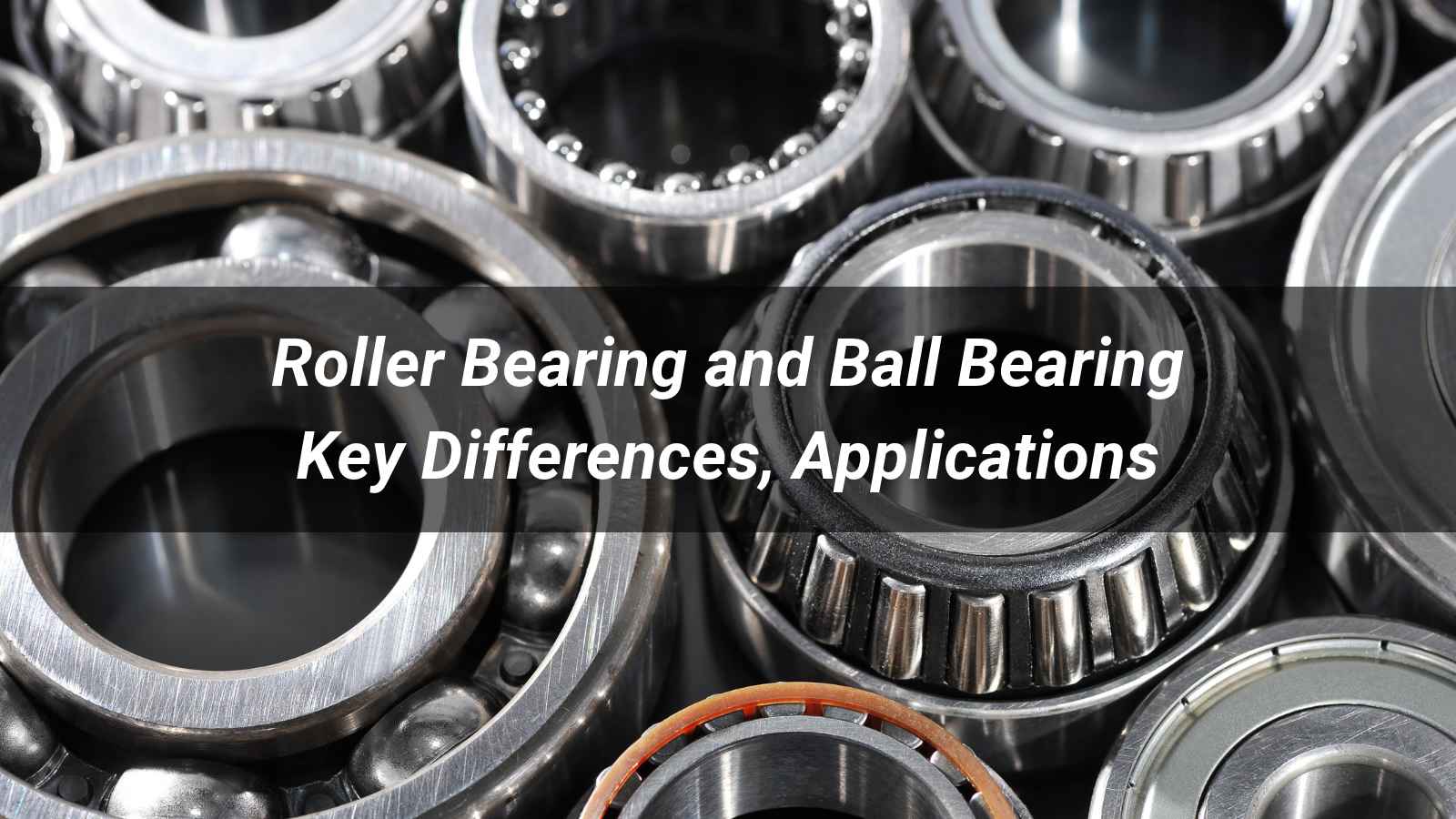 Roller Bearing and Ball Bearing: Key Differences, Applications, and How to Choose
Compare ball bearings and roller bearings, including their differences, advantages, and applications. Explore BOM's standard and customized bearing solutions backed by over 20 years of manufacturing experience.
Read More -
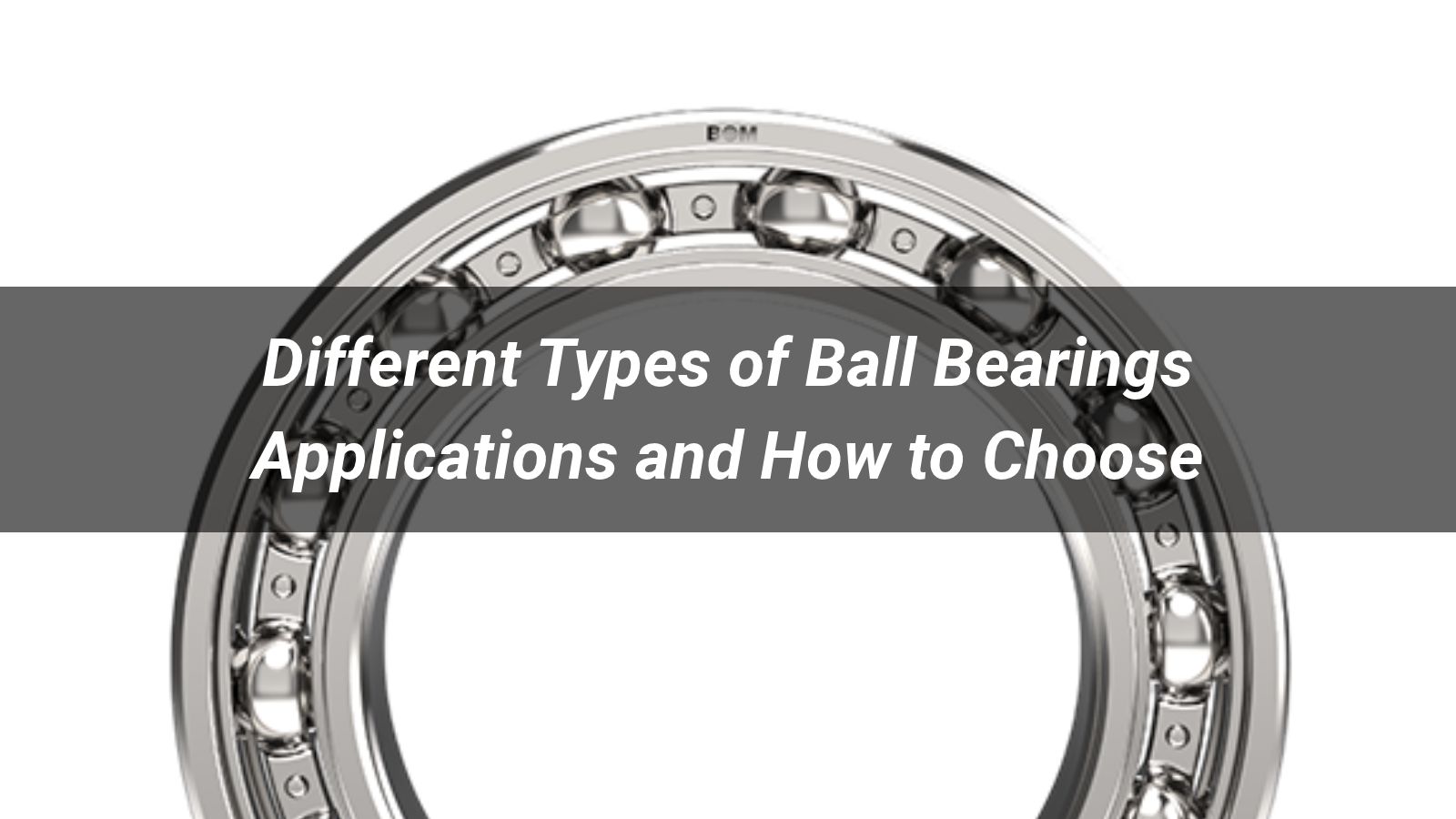 Different Types of Ball Bearings: Applications and How to Choose
Discover the different types of ball bearings, how they work, and their applications. Compare their features and understand which bearing type best suits your equipment and operating requirements.
Read More -
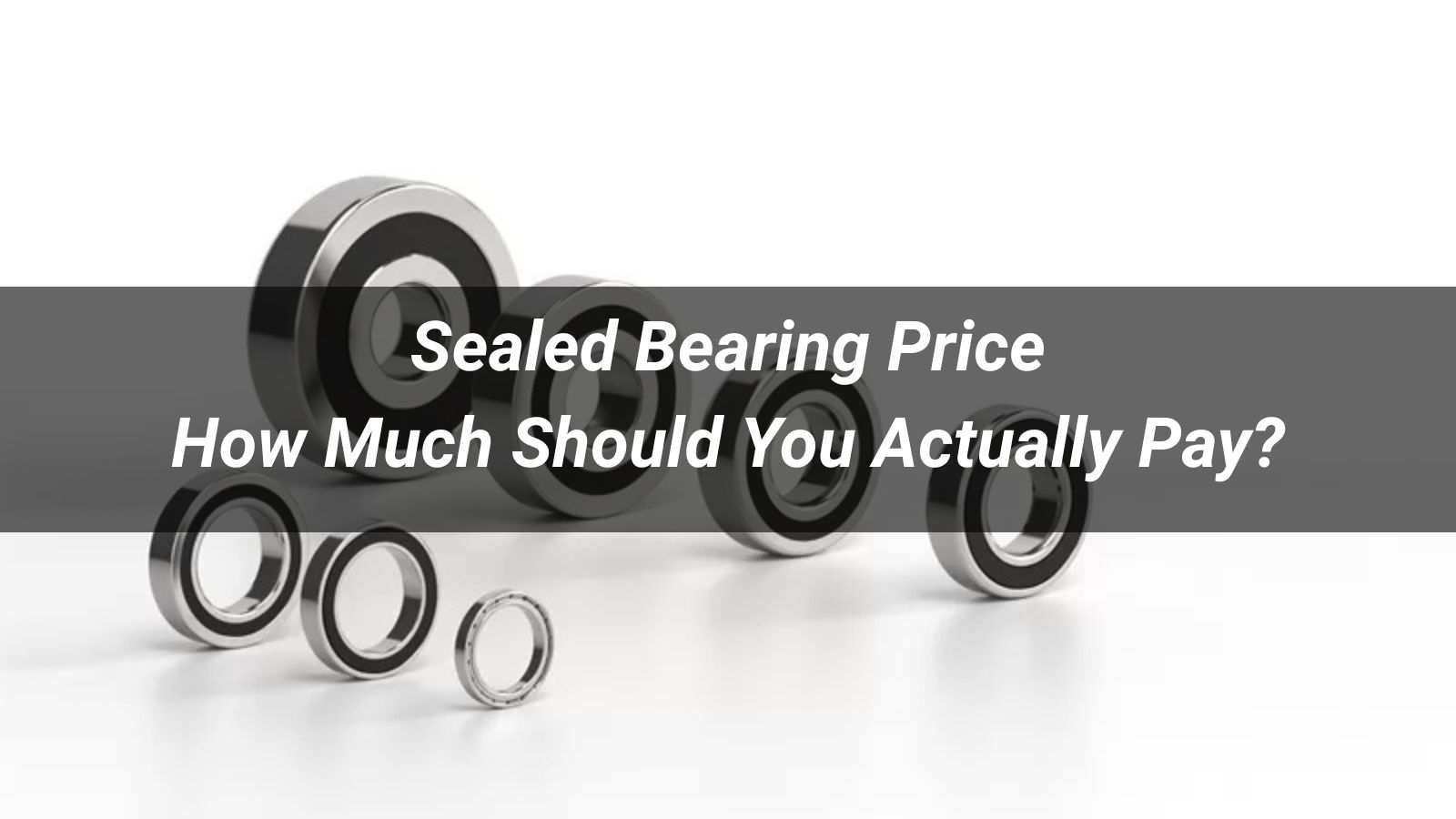 Sealed Bearing Price Guide: How Much Do Sealed Bearings Cost?
Wondering about sealed bearing price? This guide covers typical costs, what drives price differences, and how to get factory-direct pricing for your application.
Read More

